
Why I Changed How I Eat
There was a time when I knew almost nothing about nutrition. My days revolved around cereal, vending-machine snacks, and coffee just to get through long hours. Like many people, I believed food was only about convenience—not medicine.
That mindset eventually caught up with me. After developing serious health issues, including a heart condition, I was forced to rethink everything I thought I knew about food. By changing how I ate, I not only reversed my health problems but also learned how powerful everyday nutrition can be when done right.
If I woke up tomorrow with zero nutrition knowledge, here is exactly how I would start healthy eating again from scratch—in just five simple, realistic steps. No calorie counting. No extremes. Just habits that work.
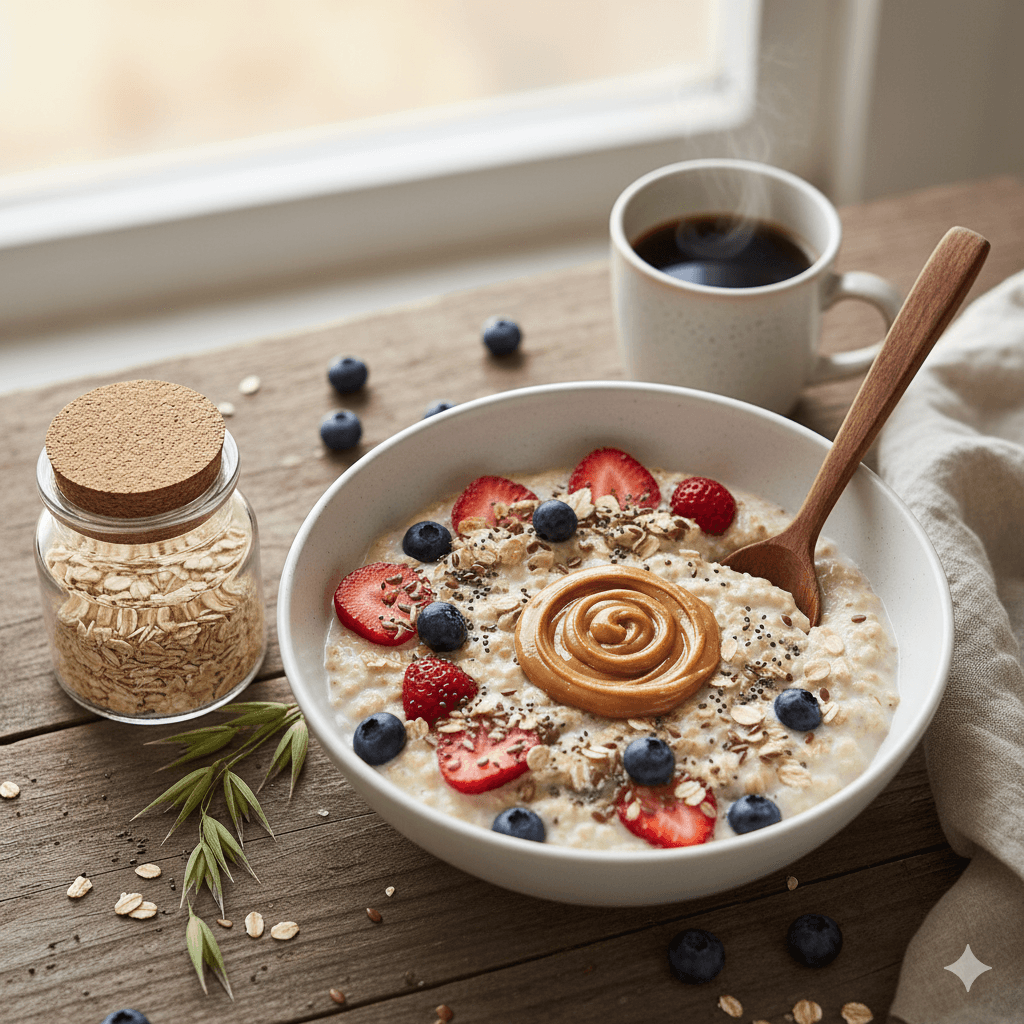
Step 1: Start Your Day with a High-Protein, High-Fibre Breakfast
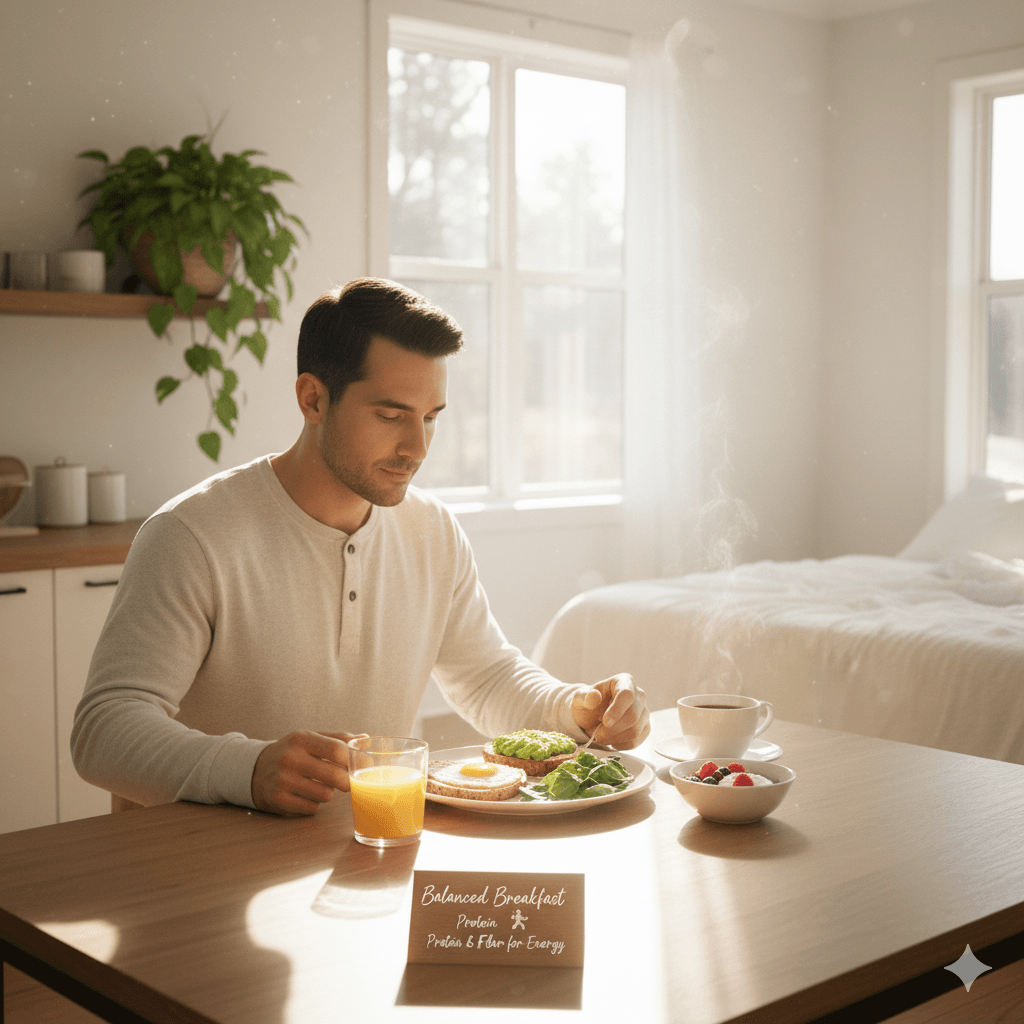
Breakfast sets the tone for your entire day. Unfortunately, many common breakfasts—toast with jam, sugary cereal, pastries, or just coffee—are low in the two nutrients your body needs most in the morning: protein and fibre.
- Getting 20–30 grams of protein at breakfast can dramatically change how you feel throughout the day. It helps:
- Keep you full for longer
- Reduce mid-morning cravings
- Stabilise blood sugar levels
- Improve energy and focus
Fibre is just as important. After an overnight fast, your gut microbes need real food—not sugar. Fibre feeds your gut, supports digestion, and reduces inflammation.
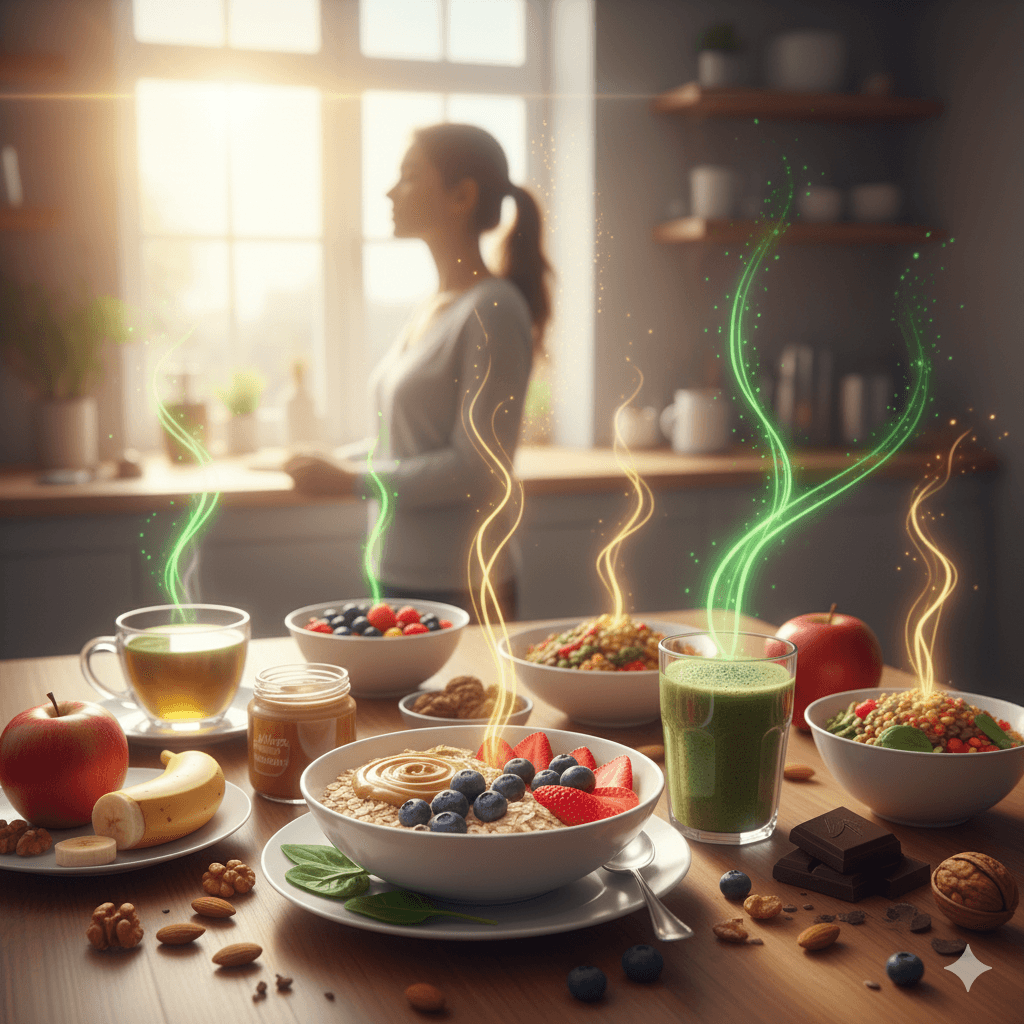
Easy High-Protein Breakfast Ideas
You don’t need complicated recipes. Rotate two or three reliable options:
- Greek yogurt with nut or seed butter, frozen berries, and seeds
- Keep you full for longer
- Protein overnight oats with flaxseeds, hemp seeds, cacao, and berries
- Eggs on whole-grain toast or egg muffins for busy mornings
- Warmed lentils or beans with olive oil, garlic, and spices (add a poached egg if you like)
- Leftovers from dinner—yes, curry or stir-fry counts as breakfast
Think of breakfast like making your bed in the morning. When it’s done right, everything else feels easier.
Step 2: Upgrade Your Snacks and Drinks
One of the biggest hidden problems in modern diets isn’t meals—it’s snacks and drinks.
Flavoured lattes, energy bars, bottled smoothies, and packaged “healthy” snacks are often loaded with sugar and refined carbohydrates. They digest quickly, spike blood sugar, and leave you hungry again an hour later.
Smarter Snack & Drink Swaps
- Replace sugary snack bars with nuts, seeds, or dark chocolate (80%+ cocoa)
- Choose whole fruit instead of fruit juice or bottled smoothies
- Swap fizzy drinks for sparkling water with lemon or berries
- Replace energy drinks with green tea, black coffee, or matcha
If you crave something sweet after meals, try:
- Fresh fruit
- A date with nut butter
- A small square of dark chocolate
Before snacking, ask yourself:
- Am I hungry—or bored?
- Am I stressed or emotional?
- Did I eat enough protein today?
This simple pause builds awareness and supports long-term healthy eating habits.
Step 3: Add Greens to Every Meal (+ the BBGs Method)
Adding greens to every meal is one of the easiest ways to improve your diet.
Leafy greens are rich in:
- Fibre
- Magnesium
- Anti-inflammatory plant compounds (carotenoids)
Magnesium alone supports over 300 processes in the body, including muscle function, energy production, and stress regulation—yet many people don’t get enough.
How to Add Greens Effortlessly
- Toss spinach or kale into eggs, stews, or stir-fries
- Add rocket or herbs to finished meals
- Blend leftover greens into smoothies
I treat greens as non-negotiable. No naked plates.
Bonus: The BBGs Checklist
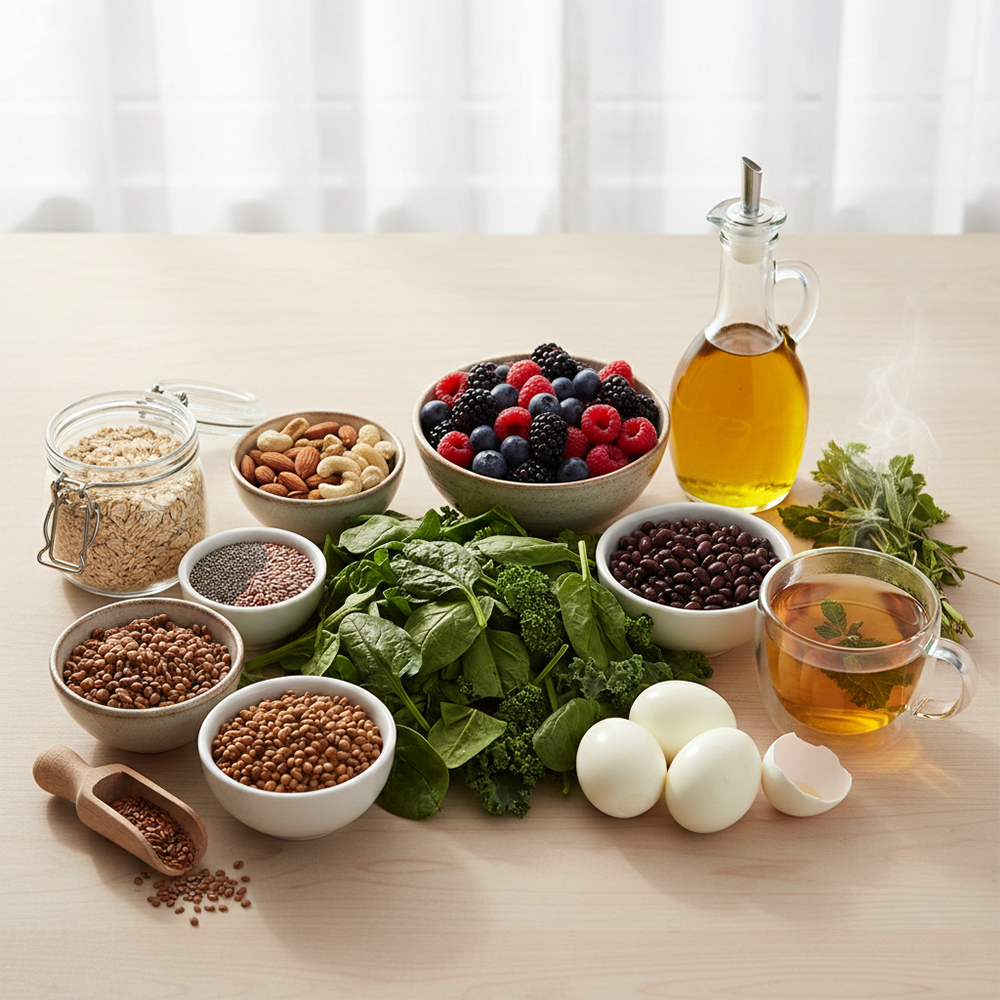
Once greens are a daily habit, aim for BBGs:
- Beans
- Berries
- Greens
- Seeds
- Nuts
Tick these off daily, and you’ll naturally increase fibre and anti-inflammatory nutrients—without tracking calories.
Step 4: Stock Your Freezer with Whole Foods
Frozen foods are one of the most underrated tools for healthy eating.
Contrary to popular belief, frozen fruits and vegetables are often more nutritious than fresh produce, as they’re frozen at peak ripeness.
Freezer Staples for Healthy Eating
- Frozen berries (for snacks, oats, smoothies)
- Frozen peas and edamame (plant protein + fibre)
- Frozen spinach (no washing, chopping, or waste)
- Pre-chopped frozen vegetables
- Lean frozen proteins and batch-cooked meals
Your freezer acts as a nutritional safety net on busy days when cooking feels impossible.
Step 5: Master One Go-To Healthy Meal
No matter how motivated you are, there will be days when you’re exhausted. That’s why you need one reliable, healthy meal you can make without thinking.
Your go-to meal should:
- Be quick and simple
- Use ingredients you always have
- Include protein, greens, colourful vegetables, and a whole grain or starchy carb
- Examples of Go-To Meals
- Chicken tray bake with vegetables and spices
- Chickpea and vegetable curry with coconut milk
- Protein bowl with lentils, whole-grain rice, and greens
- A simple stew with peas, beans, and lean protein
Master one meal first. Then add a second. Over time, healthy cooking becomes second nature.
Final Thoughts: Start Small, Stay Consistent
You don’t need to change everything overnight. Start with one step. Build momentum.
Over time, healthy eating stops feeling like effort—and becomes part of who you are.
If you want to begin today, start with breakfast. That single habit can change everything.
For more healthy tips check this The Vitamin D Mistake That Changed Global Health — And Was Never Fixed