

Overview
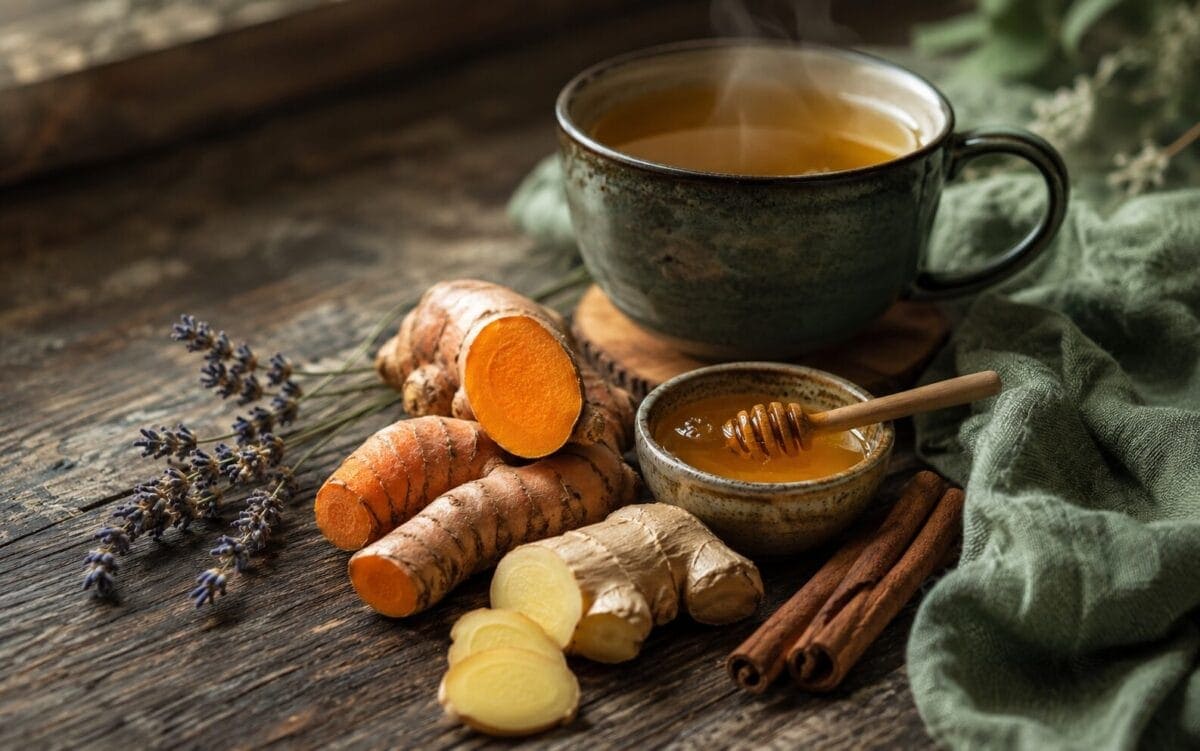
An anti-inflammatory diet is a simple, natural way to support the body by focusing on foods that nourish rather than irritate. Inflammation is part of the body’s normal defense system, but when it becomes ongoing, it may contribute to fatigue, joint discomfort, digestive issues, and other long-term health concerns. That is why many people look for daily habits that help reduce inflammation in a gentle, sustainable way.
At its core, this eating style emphasizes whole foods: colorful vegetables, fruits, healthy fats, herbs, spices, legumes, nuts, seeds, and quality proteins. It also encourages cutting back on heavily processed items that may place extra stress on the body. Instead of treating food as just fuel, an anti-inflammatory approach sees each meal as a chance to support balance, energy, and recovery.
Small food choices made consistently can have a powerful effect on inflammation over time
One helpful way to think about this plan is not as a strict diet, but as a long-term wellness pattern. Foods rich in antioxidants, fiber, and omega-3 fats are often considered the foundation of anti-inflammatory foods. Common examples include berries, leafy greens, olive oil, salmon, walnuts, and turmeric. These ingredients fit naturally into everyday meals and align well with the holistic, nature-inspired approach many wellness seekers prefer.
If you are new to this topic, the goal is not perfection. Start by adding more beneficial foods before worrying about eliminating everything at once. Over time, a consistent anti-inflammatory diet can help you build meals that are flavorful, practical, and supportive of overall well-being.
Top Anti-Inflammatory Foods to Eat Daily
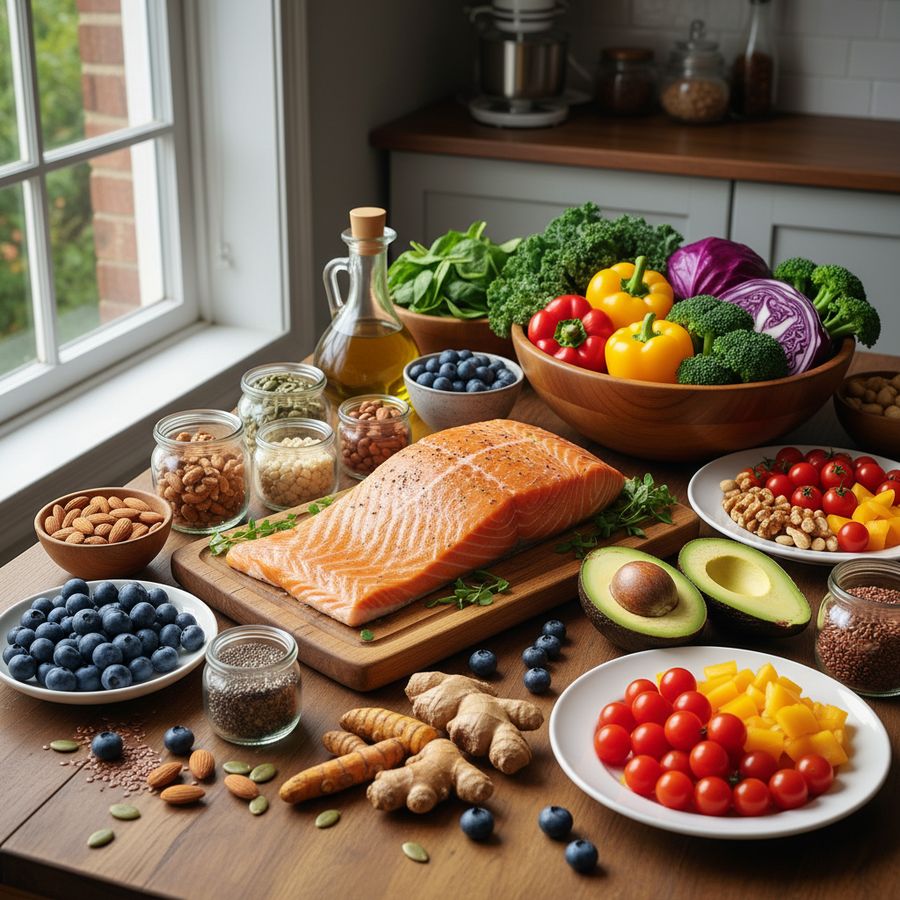
The best anti-inflammatory foods are often the most vibrant and natural foods on your plate. These ingredients provide vitamins, minerals, antioxidants, and healthy fats that help protect cells from oxidative stress. Eating them daily creates a steady foundation for better energy, digestion, and overall balance.
Leafy greens such as spinach, kale, and arugula are excellent choices because they contain plant compounds that support the body’s natural recovery processes. Berries, especially blueberries and strawberries, are another smart addition thanks to their high antioxidant content. Fatty fish like salmon and sardines bring omega-3 fats, which are widely known to help reduce inflammation. Extra virgin olive oil, avocados, nuts, and seeds also fit beautifully into this pattern.
- Leafy greens: rich in antioxidants and fiber
- Berries: help fight oxidative stress
- Fatty fish: provide omega-3 fatty acids
- Olive oil: a heart-friendly anti-inflammatory fat
- Nuts and seeds: offer healthy fats and minerals
- Beans and lentils: plant-based fiber and protein
Herbs and spices deserve attention too. Garlic, cinnamon, rosemary, ginger, and especially turmeric can bring both flavor and wellness benefits to meals. A simple bowl of oatmeal with berries and walnuts, a salad drizzled with olive oil, or roasted vegetables with garlic and herbs can all support an anti-inflammatory diet without feeling restrictive.
The most effective anti-inflammatory eating plan is one you can enjoy and repeat every day
Rather than chasing superfoods alone, aim for variety. Different colors and food groups offer different protective compounds. When your daily meals include a wide range of whole, minimally processed foods, your body receives broad support in its effort to stay balanced and resilient.
Foods That Cause Inflammation to Limit
Just as some foods help calm the body, others may encourage irritation when eaten too often. Knowing which foods that cause inflammation to limit can make your healthy choices more effective. This does not mean you need to fear food or eat perfectly. It simply means being more mindful of patterns that may work against your goals.
Highly processed foods are often the first area to watch. Packaged snacks, sugary cereals, fast food, and refined baked goods may contain added sugars, low-quality fats, and artificial ingredients that offer very little nutritional support. Sugary drinks are another major source of concern, as they can lead to blood sugar spikes and increased stress on the body over time.
- Refined sugar: found in soda, candy, pastries, and sweetened drinks
- Processed meats: such as bacon, sausages, and deli slices
- Refined carbohydrates: white bread, white pasta, and many packaged crackers
- Deep-fried foods: often high in unhealthy oils
- Excess alcohol: may burden the liver and disrupt balance
Some people also notice that certain foods affect them more personally, such as excessive dairy, ultra-processed seed oil-heavy foods, or frequent takeout meals. The key is to observe how you feel. An anti-inflammatory diet works best when it is both generally healthy and personally suitable.
Reducing inflammatory foods is not about deprivation; it is about making room for foods that help you feel better
A practical approach is to replace rather than simply remove. Swap soda for herbal tea or sparkling water, trade chips for nuts, or choose fruit with dark chocolate instead of overly sweet desserts. Small substitutions can gradually help reduce inflammation while keeping your meals satisfying and realistic for everyday life.
Simple Anti-Inflammatory Meal Plan for Beginners
Starting an anti-inflammatory diet becomes much easier when you have a basic meal structure. Beginners do not need a complicated system. A simple day of balanced eating can include fiber-rich carbohydrates, clean protein, healthy fats, and plenty of colorful produce. This combination helps stabilize energy while giving the body the nutrients it needs to reduce inflammation.
For breakfast, try oatmeal topped with berries, chia seeds, and a spoonful of almond butter. Lunch can be a large salad with leafy greens, chickpeas or grilled salmon, avocado, cucumbers, and olive oil dressing. For dinner, roasted vegetables with quinoa and baked fish or lentils work well. Keep snacks light but nourishing, such as apple slices with walnuts or plain yogurt with cinnamon.
- Breakfast: oatmeal, berries, chia seeds, walnuts
- Lunch: mixed greens, salmon or beans, olive oil, vegetables
- Snack: fruit with nuts or hummus with cucumber
- Dinner: quinoa, roasted broccoli, sweet potato, grilled protein
This type of plan is gentle, flexible, and easy to adapt. If you prefer plant-based meals, use lentils, tofu, beans, or tempeh. If you enjoy animal protein, choose options like salmon, sardines, eggs, or lean poultry in moderate amounts. Season meals with herbs, garlic, ginger, and turmeric for extra flavor and added wellness support.
Beginners succeed when they keep meals simple, colorful, and consistent
Meal prepping can also help. Wash greens, cook grains ahead of time, and keep healthy staples on hand so better choices feel convenient. A realistic plan is more effective than an extreme one, and even a few smart meals each week can move you in a healthier direction.
Best Spices for Inflammation: Turmeric and Ginger
Among all natural ingredients used in wellness-focused kitchens, turmeric and ginger stand out as two of the most popular choices for inflammation support. Both have a long history in traditional food and herbal practices, and both fit beautifully into a modern anti-inflammatory diet. They are easy to use, flavorful, and versatile enough for both sweet and savory recipes.
Turmeric contains curcumin, a plant compound widely studied for its anti-inflammatory and antioxidant properties. Ginger also contains active compounds that may help support comfort, circulation, and digestive ease. Together, they create a warming combination that works well in soups, teas, stir-fries, smoothies, and homemade wellness drinks.
A simple way to enjoy these spices is through golden milk made with warm milk or a plant-based alternative, turmeric, ginger, black pepper, and a little honey. Black pepper is often included because it can help the body absorb curcumin more effectively. You can also add fresh ginger to tea or grate both spices into vegetable dishes and broths.
Turmeric and ginger bring both flavor and function to daily meals
While these spices can support efforts to reduce inflammation, they are most helpful as part of an overall healthy lifestyle. They are not magic cures on their own. Consistent use alongside whole foods, proper sleep, hydration, and movement will produce the best results. If you take medications or have a medical condition, it is wise to speak with a qualified healthcare professional before using concentrated herbal supplements.
In the kitchen, though, these spices are an easy starting point. A pinch of turmeric in eggs, a slice of ginger in tea, or both added to soups can make everyday meals more nourishing and naturally supportive.
Anti-Inflammatory Snacks for Busy Days
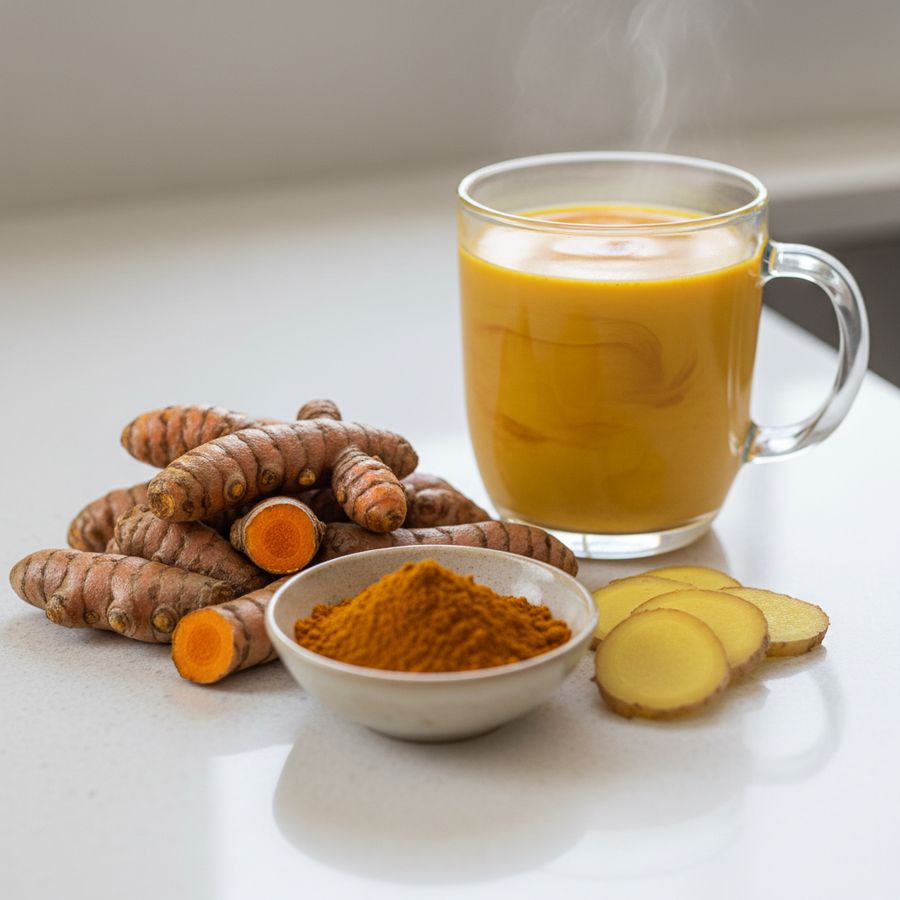
Busy schedules often lead people toward packaged convenience foods, but with a little planning, snacks can become part of your anti-inflammatory diet rather than a setback. The goal is to choose snacks that combine fiber, protein, and healthy fats while avoiding excess sugar and highly processed ingredients.
Fresh fruit paired with nuts is one of the easiest options. Apples with almond butter, berries with plain yogurt, or banana slices with walnuts can help curb hunger while providing nutrients that support steady energy. Cut vegetables with hummus are another excellent choice, especially when you need something quick, crunchy, and satisfying.
- Apple slices with almond butter
- Plain yogurt with berries and cinnamon
- Carrot sticks, cucumber, or bell pepper with hummus
- Walnuts, pumpkin seeds, and unsweetened dried fruit
- Hard-boiled eggs with a side of avocado
If you like make-ahead snacks, try chia pudding, overnight oats, or homemade energy bites made with oats, seeds, and nut butter. These options are more balanced than many store-bought snack bars, which may contain hidden sugars and preservatives. Herbal teas with ginger or cinnamon can also complement a snack and offer a calming ritual during a hectic day.
The best snack is one that keeps you full, nourished, and away from the energy crash of ultra-processed foods
To make healthy snacking easier, keep simple staples visible and ready to grab. Wash fruit, portion nuts into small containers, and store cut vegetables at eye level in the fridge. These small habits help reduce inflammation by turning nutritious choices into the easiest choices.
Conclusion
Choosing an anti-inflammatory diet is not about following a trend. It is about returning to a way of eating that supports the body with real, nourishing foods. When you fill your meals with vegetables, berries, healthy fats, legumes, herbs, and spices like turmeric, you create a foundation that can help reduce inflammation naturally over time.
It’s equally important to understand which foods that cause inflammation may be beneficial to limit. Excess sugar, refined carbohydrates, fried foods, and heavily processed snacks can gradually disrupt your body’s balance. By swapping these out for more whole-food options, you create a pattern that feels sustainable instead of extreme.The beauty of this approach is its simplicity. You do not need expensive powders, rigid meal rules, or perfect discipline. A bowl of oats with berries, a salad with olive oil, a handful of nuts, or a warm dish seasoned with ginger and turmeric can all be meaningful steps in the right direction. These choices reflect a natural, holistic style of living that supports long-term wellness.
Lasting health habits are built through simple choices repeated with care
If you are just beginning, start small. Add one extra anti-inflammatory food to your meals each day, prepare a healthier snack, or swap a sugary drink for water or herbal tea. Over time, these actions add up. A thoughtful, balanced diet can be one of the most powerful tools you have to support energy, comfort, and everyday vitality.
