

Overview
If you are new to healthy eating, an anti-inflammatory diet is one of the simplest places to start. Rather than following strict rules or cutting out entire food groups overnight, this approach focuses on choosing more whole, nourishing foods that help the body function at its best. The goal is to support overall wellness by building meals around vegetables, fruits, healthy fats, legumes, herbs, spices, and quality proteins.
Many beginners are drawn to this way of eating because it feels practical and sustainable. Chronic inflammation has been linked with everyday concerns like fatigue, joint discomfort, digestive imbalance, and poor metabolic health. While food is not a magic cure, what you eat each day can either help calm the body or add more stress to it. Small changes, repeated consistently, often create the biggest long-term results.
Think of an anti-inflammatory diet as a gentle daily reset built from real food, steady habits, and simple meals
This beginner-friendly guide will walk you through the basics, including what inflammation really is, which anti-inflammatory foods to eat more often, and what foods may be worth limiting. You will also find easy breakfast and lunch ideas, a practical 7-day meal plan foundation, and a closer look at two standout ingredients: turmeric and ginger. If you want a natural, realistic way to eat better without overcomplicating your routine, this is a strong place to begin.
What Inflammation Is and Why It Matters
Inflammation is the body’s natural defense response. When you get a cut, fight off a virus, or recover from an injury, inflammation helps the healing process begin. In that short-term form, it is useful and necessary. Problems tend to develop when low-grade inflammation lingers for weeks, months, or even years due to stress, poor sleep, inactivity, smoking, or a diet heavy in highly processed foods.
This ongoing form of inflammation may not always be obvious, but it can quietly affect many systems in the body. It has been associated with heart health concerns, blood sugar imbalance, digestive issues, joint discomfort, and reduced energy. That is why the anti-inflammatory diet has gained so much attention. It offers a food-first way to support the body by emphasizing ingredients that provide fiber, antioxidants, healthy fats, and plant compounds.
For beginners, it helps to think of food as daily information for the body. A meal rich in colorful produce, olive oil, nuts, beans, and fish sends a very different message than one built around refined flour, sugary drinks, and fried foods. You do not need perfection to benefit. You simply need more meals that support balance than meals that work against it.
- Acute inflammation helps protect and heal the body
- Chronic inflammation can contribute to long-term health issues
- Food choices, sleep, stress, and movement all influence inflammation levels
Best Anti-Inflammatory Foods to Eat Daily
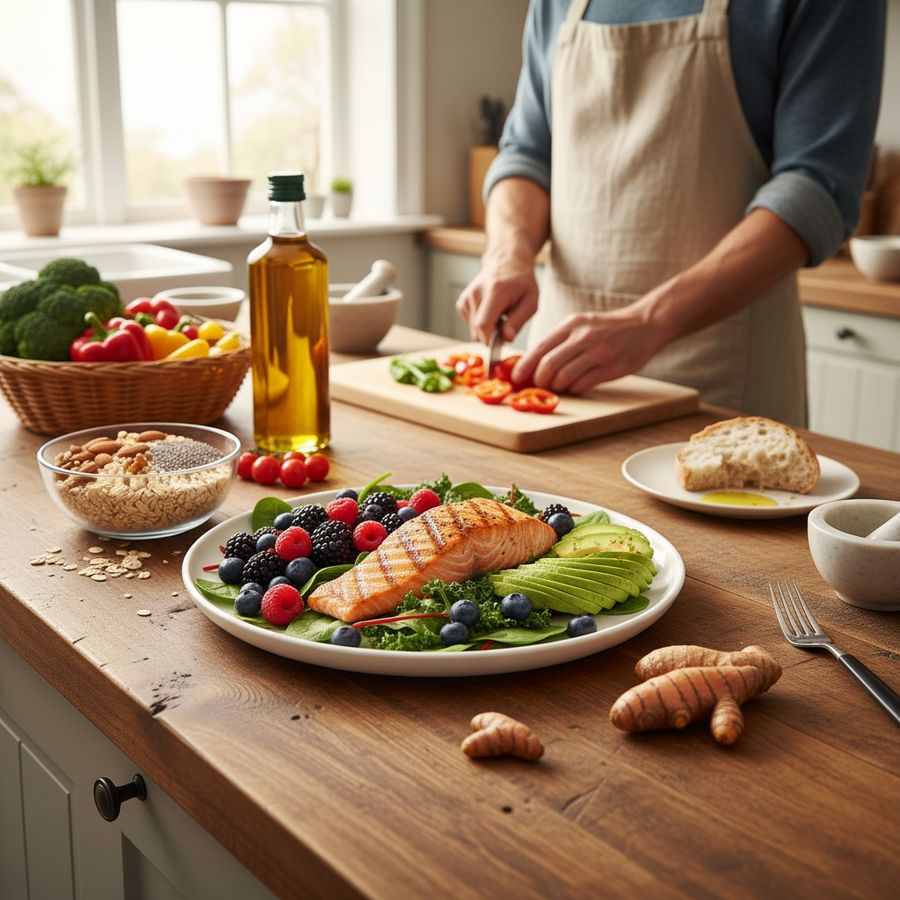
The best anti-inflammatory foods are usually the foods closest to their natural state. Colorful vegetables and fruits are excellent choices because they contain antioxidants and phytonutrients that help protect cells from stress. Leafy greens, berries, tomatoes, broccoli, carrots, citrus fruits, and bell peppers are easy additions to everyday meals and snacks.
Healthy fats also play an important role in an anti-inflammatory diet. Extra virgin olive oil, avocados, nuts, seeds, and fatty fish like salmon or sardines provide nutrients that support heart and brain health while helping reduce inflammatory stress. Legumes such as lentils, chickpeas, and black beans bring fiber and plant protein, making them ideal for filling, budget-friendly meals.
Whole grains like oats, quinoa, and brown rice can be helpful as well, especially when they replace ultra-processed carbohydrates. Herbs and spices deserve special attention too. Turmeric, ginger, garlic, cinnamon, and rosemary add flavor while contributing compounds linked with anti-inflammatory benefits.
A beginner-friendly anti-inflammatory plate is simple: half vegetables, a quality protein, healthy fat, and a fiber-rich carbohydrate
- Berries, leafy greens, broccoli, and tomatoes
- Olive oil, walnuts, almonds, chia seeds, and flaxseeds
- Salmon, sardines, beans, lentils, and eggs
- Oats, quinoa, brown rice, and sweet potatoes
- Turmeric, ginger, garlic, and other flavorful herbs
When you eat these foods regularly, you create a routine that supports better energy, digestion, and long-term wellness.
Foods That Can Trigger Chronic Inflammation
Just as some foods support balance, others may promote ongoing inflammation when eaten too often. For many people, the biggest triggers are not occasional treats but daily habits built around highly processed meals. Foods loaded with added sugar, refined carbohydrates, industrial seed-oil-heavy fast food, and heavily processed snacks may increase inflammatory stress over time, especially when they replace more nourishing options.
Sugary drinks are one of the most common examples. Sodas, sweetened coffees, energy drinks, and packaged juices can drive blood sugar spikes while offering little nutritional value. Refined grains such as white pastries, chips, and many packaged baked goods can have a similar effect, especially when paired with unhealthy fats. Processed meats like sausages, hot dogs, and deli meats are also often limited in an anti-inflammatory diet because of their additives and high sodium content.
This does not mean you must fear food or aim for extreme restriction. A more realistic goal is to reduce the foods that seem to dominate modern eating patterns and replace them with better choices more often than not.
- Soft drinks and heavily sweetened beverages
- Packaged desserts, candy, and sugary cereals
- Deep-fried fast food and heavily processed snacks
- Processed meats and ultra-refined convenience meals
The anti-inflammatory approach is less about perfection and more about reducing your daily exposure to foods that keep the body under stress
Start by changing one habit at a time, such as swapping soda for water with lemon or replacing chips with nuts and fruit.
Easy Anti-Inflammatory Breakfast and Lunch Ideas
One of the easiest ways to stick with an anti-inflammatory diet is to keep breakfast and lunch simple. These are the meals people are most likely to rush, skip, or replace with processed convenience foods. A few easy combinations can make your day healthier without adding much prep time.
For breakfast, focus on protein, fiber, and healthy fat. Oatmeal topped with berries, walnuts, and chia seeds is a classic anti-inflammatory option. Greek yogurt with flaxseeds and fruit works well if you tolerate dairy. Eggs with sautéed spinach, tomatoes, and avocado are another satisfying choice. You can also blend a smoothie with unsweetened milk, berries, leafy greens, nut butter, and a small piece of ginger for extra flavor.
Lunch should be filling but not heavy. Think grain bowls, soups, salads, and wraps built from whole ingredients. A quinoa bowl with roasted vegetables, chickpeas, and olive oil dressing is easy to prepare in advance. Salmon salad with mixed greens, cucumber, pumpkin seeds, and lemon is another strong option. Lentil soup with a side of sliced vegetables and hummus can also support steady energy through the afternoon.
- Oats with berries, cinnamon, and walnuts
- Eggs with spinach and avocado
- Smoothie with berries, greens, and ginger
- Quinoa bowl with chickpeas and roasted vegetables
- Salmon salad with olive oil and lemon
When your first two meals are balanced, the rest of the day often becomes easier to manage.
7-Day Anti-Inflammatory Meal Plan Basics
A beginner meal plan does not need to be rigid to be effective. The simplest anti-inflammatory diet plan uses a repeatable structure you can adapt throughout the week. Start with a breakfast built around protein and fiber, a lunch based on vegetables and healthy fats, and a dinner that includes a quality protein, plenty of produce, and a smart carbohydrate like brown rice or sweet potato.
For a 7-day rhythm, choose two breakfasts, two lunches, and three or four dinners you can rotate. This reduces decision fatigue and makes grocery shopping easier. For example, you might alternate between oatmeal with berries and eggs with greens in the morning. Lunches could include lentil soup, salmon salad, or a chickpea grain bowl. Dinners might feature baked fish, bean chili, roasted chicken, or a vegetable stir-fry with quinoa.
Snacks can stay simple: fruit with nuts, carrot sticks with hummus, plain yogurt with seeds, or herbal tea with a small handful of almonds. Hydration matters too, so drink water regularly and keep sweetened beverages to a minimum.
A good anti-inflammatory meal plan is not built on novelty — it is built on consistency, flexibility, and foods you will actually eat
- Prep chopped vegetables and cooked grains once or twice a week
- Keep anti-inflammatory foods visible and easy to grab
- Use leftovers for lunches to save time
- Plan simple snacks so you are less tempted by processed options
That structure is often enough to help beginners stay on track without feeling overwhelmed.
Spices for Inflammation: Turmeric and Ginger
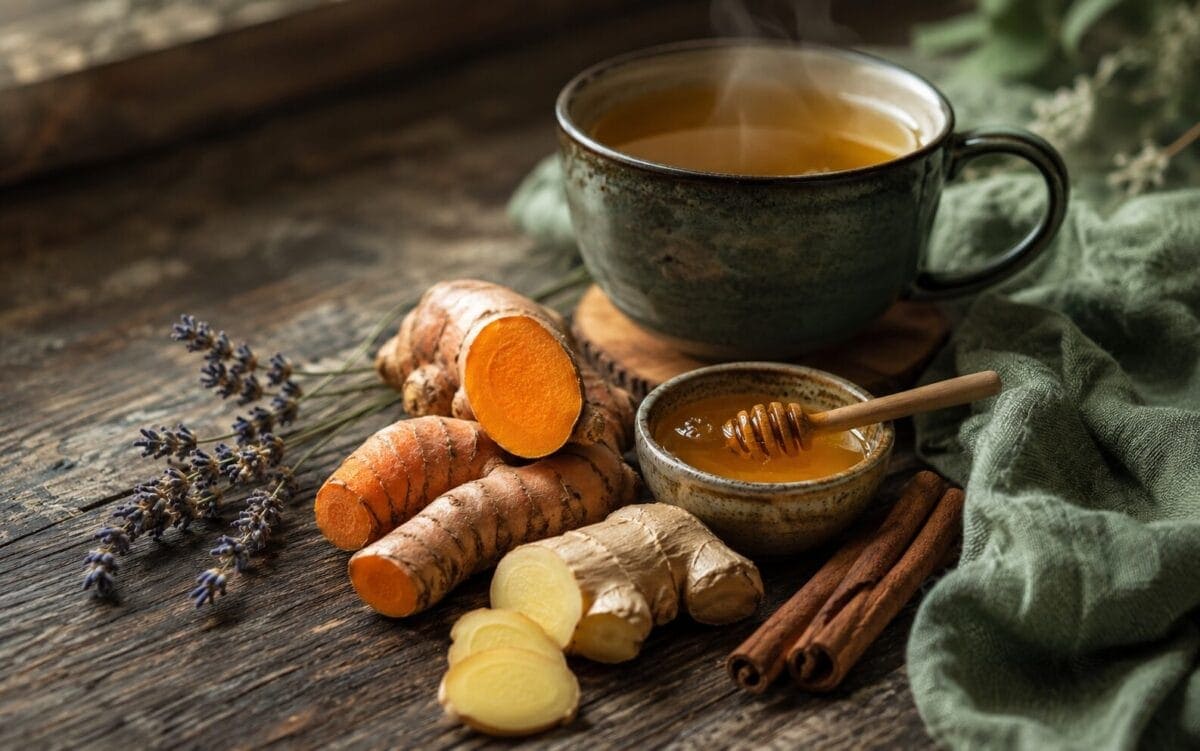
Among the most talked-about ingredients in natural wellness, turmeric and ginger stand out for good reason. Both have a long history in traditional food and herbal practices, and both fit easily into a modern anti-inflammatory diet. They are not miracle cures, but they can be valuable additions to meals when combined with an overall healthy eating pattern.
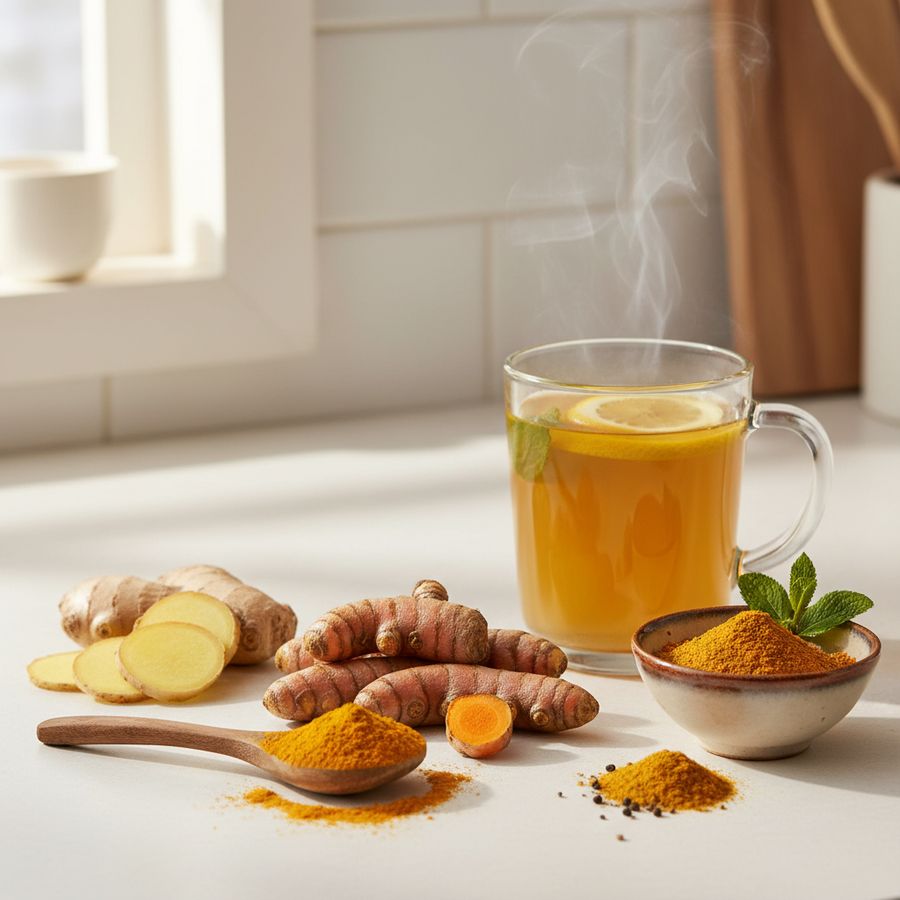
Turmeric contains curcumin, a plant compound studied for its anti-inflammatory and antioxidant properties. It is commonly added to soups, curries, roasted vegetables, rice dishes, and warm drinks. Many people pair turmeric with black pepper because pepper contains piperine, which may help improve curcumin absorption. Ginger is also widely used to support wellness and is especially popular in teas, stir-fries, smoothies, dressings, and broths.
These spices are ideal for beginners because they add depth and warmth without relying on excess sugar or salt. You can start small by adding fresh ginger to tea or using turmeric in scrambled eggs, soups, or a golden milk-style drink.
- Add grated ginger to smoothies or hot lemon water
- Use turmeric in soups, curries, and rice dishes
- Combine both spices in marinades or vegetable sautés
Spices like turmeric and ginger are simple kitchen tools that bring both flavor and functional benefits to everyday meals
If you have medical conditions or take blood-thinning medication, check with a healthcare professional before using concentrated supplements.
Conclusion
Starting an anti-inflammatory diet does not require a perfect kitchen, a complicated recipe collection, or a dramatic overnight reset. It begins with a handful of better choices repeated consistently: more vegetables, more whole foods, better fats, less sugar, and fewer ultra-processed meals. That steady approach is often what creates lasting change.
As you have seen, understanding inflammation helps explain why food matters beyond calories alone. Building meals around anti-inflammatory foods such as berries, greens, legumes, olive oil, fish, nuts, turmeric, and ginger can support energy, digestion, and overall wellness. Just as important, limiting everyday triggers like sugary drinks, fried foods, and processed snacks helps reduce the burden on the body.
The best beginner plan is the one you can sustain. Choose a few breakfasts and lunches you enjoy, keep your pantry stocked with simple whole-food staples, and make room for progress rather than perfection. Over time, these habits can become second nature.
Healthy eating becomes powerful when it is simple enough to practice every day
If you are ready to begin, start with your next meal. Add one colorful vegetable, one healthy fat, and one nourishing protein source. Small steps can lead to meaningful results, and nature-inspired nutrition is often at its best when it is kept practical, balanced, and easy to follow.
