


Overview
Morning sunlight benefits go far beyond simply brightening the start of your day. A few minutes of natural light soon after waking can help support your circadian rhythm, improve daytime alertness, and promote better sleep quality at night. For many people, this simple habit also creates a gentle mood boost, especially during stressful or low-energy periods when the body feels out of sync.
Your body runs on an internal clock that responds strongly to light. Early-day sunlight exposure sends a clear signal to the brain that it is time to be awake, focused, and active. In response, the body begins coordinating important processes like hormone timing, body temperature, digestion, and energy production. When this rhythm is supported consistently, it often becomes easier to fall asleep at a reasonable hour and wake up feeling more refreshed.
Unlike indoor lighting, outdoor morning light is far more intense and biologically effective. Even on cloudy days, natural light outside can still be powerful enough to help regulate sleep-wake timing. That is why many wellness experts encourage getting outdoors shortly after waking, even if only for a short walk, a few deep breaths on the porch, or a quiet cup of tea in the yard.
Morning light is one of nature’s simplest tools for helping the brain feel awake by day and sleepy by night
For readers who enjoy practical wellness routines, this habit pairs naturally with calming movement and energy-supporting rituals, much like the site’s focus on balanced, nature-inspired health. The best part is that it is free, accessible, and easy to begin with just a few minutes each morning.
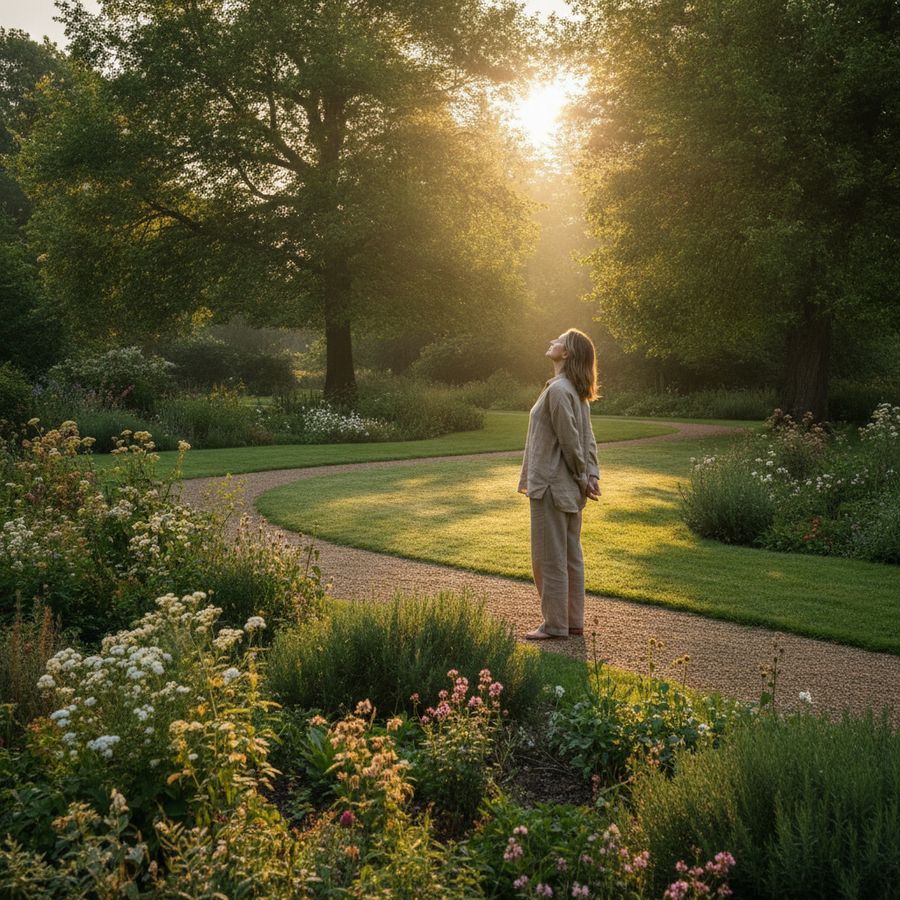
How Early Light Resets Circadian Rhythm
The body’s circadian rhythm depends heavily on light cues, and morning light is the strongest signal of all. When sunlight enters the eyes early in the day, special cells in the retina communicate with the brain’s master clock, helping set the timing for wakefulness, alertness, and nighttime sleepiness. This process helps the body distinguish morning from evening more clearly, which is especially useful after poor sleep, irregular schedules, or too much time indoors.
One reason morning sunlight benefits are so widely discussed is because they influence the daily rhythm of melatonin and cortisol. In simple terms, early light helps the body stop producing sleep-promoting melatonin and supports a healthy rise in daytime alertness. Later, when evening comes, the body is more likely to release melatonin at the right time, which can improve sleep quality and make bedtime feel more natural.
This is why consistent timing matters. Getting outside within the first hour after waking can make your internal clock more stable over time. The effect is not usually dramatic after a single day, but it becomes meaningful when practiced regularly.
- Helps the brain recognize the start of the day
- Supports earlier, more restful sleep at night
- May reduce the feeling of being groggy in the morning
- Encourages more predictable daily energy patterns
People with shifting schedules, frequent late nights, or heavy evening screen use may notice an even greater benefit. When the body receives a strong morning signal from natural sunlight exposure, it becomes easier to rebuild a rhythm that supports steady energy, improved focus, and a calmer transition into sleep later on.
Best Time Outside for Daytime Energy
If your goal is better focus, steadier energy, and less mid-morning sluggishness, the best time to get outside is usually shortly after waking. For most people, the ideal window is within the first 30 to 60 minutes of the day. This is when natural light can most effectively reinforce the circadian rhythm and help the brain shift fully into wake mode. Even 10 to 20 minutes outdoors can be helpful, though brighter mornings or shaded areas may require a little longer.
Light exposure in the morning often feels energizing because it signals the body to increase alertness naturally. Instead of relying only on caffeine, many people find that early light helps create a smoother rise in energy. This can lead to fewer crashes later in the day and a more stable sense of mental clarity. As a result, morning sunlight benefits often show up not just in nighttime sleep, but also in better daytime productivity.
Cloud cover does not cancel the value of being outside. Natural daylight remains much stronger than typical indoor light, even on overcast mornings. That means a walk around the block, light stretching on a balcony, or simply sitting near a sunny outdoor space can still support a healthy rhythm.
The most effective morning light routine is the one you can repeat consistently
If your mornings feel rushed, start small. Step outside while drinking water, take a short walk after waking, or combine it with gentle movement. For people who enjoy building supportive routines, this can fit well alongside practices like a few morning yoga poses to boost energy and focus, turning early light into a calming ritual rather than another item on a busy checklist.
Morning Sunlight Versus Blue Light Exposure
Not all light affects the body in the same way. While both sunlight and screens can influence alertness, the difference lies in timing, intensity, and biological context. Morning sunlight is a natural environmental cue that helps align the circadian rhythm with the outside world. Blue light from phones, tablets, and laptops, on the other hand, often becomes a problem when it shows up too late in the day.
During the morning, bright natural light can support wakefulness and create a positive mood boost. It tells the brain that daytime has begun. But at night, artificial blue light may confuse the brain and delay melatonin release, making it harder to feel sleepy when bedtime arrives. This mismatch can affect sleep quality, especially for people who already struggle with insomnia, late-night alertness, or inconsistent sleep habits.
Sunlight exposure also comes with broader sensory benefits that screens do not provide. Being outdoors often includes fresh air, movement, natural scenery, and a mental reset from constant digital stimulation. These factors may improve emotional balance and reduce the overstimulated feeling that many people experience after heavy screen use.
- Morning sunlight: supports wakefulness, energy, and healthy sleep timing
- Evening screen light: may delay sleepiness and disrupt natural rhythms
- Outdoor light: offers a fuller wellness experience than device light alone
The goal is not to fear technology, but to use light wisely. Welcoming more early-day sunlight exposure while reducing bright screen use at night is one of the simplest ways to support better rest, steadier energy, and a more balanced daily rhythm.
Easy Ways to Build the Habit
The easiest habits are the ones attached to routines you already have. If you want to enjoy the long-term morning sunlight benefits, begin by pairing outdoor light with something familiar: drinking water, making tea, walking the dog, stretching, or checking on your garden. This makes the habit feel natural instead of forced. You do not need a perfect sunrise routine to benefit from early sunlight exposure; you simply need a realistic one.
Many people give up because they think the habit has to be long or complicated. In reality, even a few minutes outside can be a meaningful first step. Standing on a balcony, sitting by an open outdoor space, or taking a short stroll after waking can all help reinforce the circadian rhythm. Once the behavior becomes familiar, it is much easier to extend the time naturally.
- Place your shoes or light jacket near the door the night before
- Step outside before opening social media or email
- Take your morning coffee or tea outdoors
- Combine outdoor light with walking, stretching, or deep breathing
- Aim for consistency first, then increase duration later
If motivation is low, focus on how you want to feel rather than what you “should” do. A calmer mind, improved sleep quality, and a gentle mood boost are meaningful rewards. You can also support this rhythm by pairing morning light with other steady habits, such as the kind of routine featured in 10 Morning Habits for All-Day Energy, where small daily choices help build lasting wellness.
Simple, repeatable actions are often the most powerful. When the morning begins with light instead of rush, the rest of the day often feels more grounded.

Who Should Take Extra Skin Precautions
Although morning sunlight benefits can be valuable for mood, energy, and sleep quality, some people should be especially mindful about skin protection. This includes individuals with very fair or sun-sensitive skin, a history of skin cancer, certain autoimmune conditions, or those taking medications that increase photosensitivity. In these cases, getting light exposure safely matters just as much as getting it consistently.
The good news is that brief early sunlight exposure is often gentler than intense midday sun. Morning light tends to be less harsh, which may reduce the risk of burning compared with later hours. Still, sensitivity varies widely. If your skin burns easily, it may help to keep outdoor sessions short, seek indirect light, wear protective clothing, or discuss safe sun habits with a healthcare professional.
People using retinoids, certain antibiotics, acne treatments, or other light-sensitive medications should take added care. The same applies to anyone managing conditions like melasma or lupus, where sun exposure may worsen symptoms. In these situations, natural light can still support the circadian rhythm, but the approach may need to be adjusted for comfort and safety.
Healthy sunlight habits should support wellbeing without ignoring individual skin needs
Practical precautions may include:
- Choosing shorter outdoor sessions in early daylight
- Wearing a hat, sleeves, or other protective layers
- Using shade when direct light feels too intense
- Monitoring your skin for redness or irritation
The goal is balance, not avoidance or overexposure. A thoughtful routine allows many people to enjoy the mental and sleep-related benefits of morning light while respecting their skin’s limits.
Conclusion
Morning sunlight benefits are simple, natural, and surprisingly powerful. By stepping outside early in the day, you give your body a stronger signal for wakefulness, help regulate the circadian rhythm, and improve the chances of better sleep quality at night. At the same time, this small habit can offer a welcome mood boost, clearer thinking, and steadier daytime energy.
What makes this practice so helpful is its simplicity. You do not need expensive tools, a strict schedule, or an elaborate wellness plan. A few consistent minutes of sunlight exposure after waking may be enough to support meaningful changes over time. Whether you take a short walk, sip tea outdoors, or simply stand outside and breathe deeply, the effect can build day by day.
This habit also fits beautifully within a natural, whole-person approach to health. It complements restful evenings, gentle movement, and daily routines that support emotional balance. For readers exploring more nature-based mental wellness ideas, practices like morning movement and consistent bedtime rituals can strengthen the benefits of early light even further.
If you’re seeking a simple change with significant benefits, morning light is an excellent starting point. Begin from your current routine, maintain consistency, and allow nature to assist you in returning to improved sleep, more vibrant mornings, and a greater sense of wellbeing. For more tips, visit Nature Nurturers.

1 Comment
[…] Morning Sunlight Benefits for Mood and Sleep […]