

Honey, Herbs & Teas for Sore Throat Relief: A Natural Comfort Guide

A sore throat can make eating, sleeping, and even talking feel uncomfortable, so many people look for natural sore throat relief before reaching for stronger products. In most mild cases, throat irritation comes from a viral illness, dry air, mouth breathing, smoke exposure, or overuse of the voice. The goal of natural care isn't to "cure" every cause — it's to calm inflamed tissue, keep the throat moist, and make each swallow a little less painful while your body recovers.
Some of the most reliable home strategies are refreshingly simple. Honey, warm drinks, salt-water gargles, and herbal tea remedies all work by coating or hydrating irritated tissue. Rest matters more than people realize, too — if your throat is strained from coughing or talking, easing off for a day or two helps every other remedy work better.
Helpful at-home options include:
- Honey stirred into warm water or tea for a soothing coating effect
- Herbal tea remedies such as chamomile, ginger, peppermint, or licorice root
- Warm fluids like broth, lemon water, or caffeine-free tea to support hydration
- Salt-water gargles to ease irritation and reduce that raw feeling
- Humidified air to keep the throat from drying out further overnight
These supports work best used consistently through the day rather than once. Small, frequent sips usually bring more comfort than one large drink. Soft foods like soup, oatmeal, and warm applesauce also reduce friction when swallowing.
Can Honey Ease Coughing and Throat Pain?
Honey is one of the oldest and most practical home remedies for a sore throat, and for good reason. Its thick texture coats the throat, which can temporarily reduce that scratchy, burning feeling. Honey may also calm coughs that keep the throat irritated — especially taken slowly from a spoon or mixed into a warm drink — which is why it's such a popular choice for nighttime comfort.
Common ways to use honey include:
- Take 1 teaspoon slowly and let it coat the throat
- Mix honey into warm herbal tea — chamomile or ginger work well
- Combine honey with warm water and a small squeeze of lemon
- Use before bed if coughing tends to worsen at night
A few safety notes: never give honey to infants under 1 year old due to the risk of infant botulism. Adults with diabetes may want to use smaller amounts. And while honey is wonderfully soothing, it shouldn't replace medical care if fever, severe pain, rash, or breathing trouble develops.
Which Herbal Teas Help Most During Illness?
When the throat feels raw, herbal teas offer both comfort and hydration. The heat relaxes the throat, while specific herbs bring their own soothing effects — some are better for dryness, others for coughing or congestion.
Chamomile tea is a gentle place to start: naturally calming, mild in taste, and helpful before bed when a sore throat is disturbing sleep. Ginger tea has a warming quality many people find comforting, especially when throat irritation comes with chills or a heavy, sluggish feeling.
- Peppermint tea for a cooling sensation when congestion is present
- Licorice root tea for coating dryness and a lingering scratchy feeling
- Marshmallow root tea for a slippery, soothing texture
- Lemon balm tea for gentle hydration and a calming evening option
Stock Your Tea Cabinet
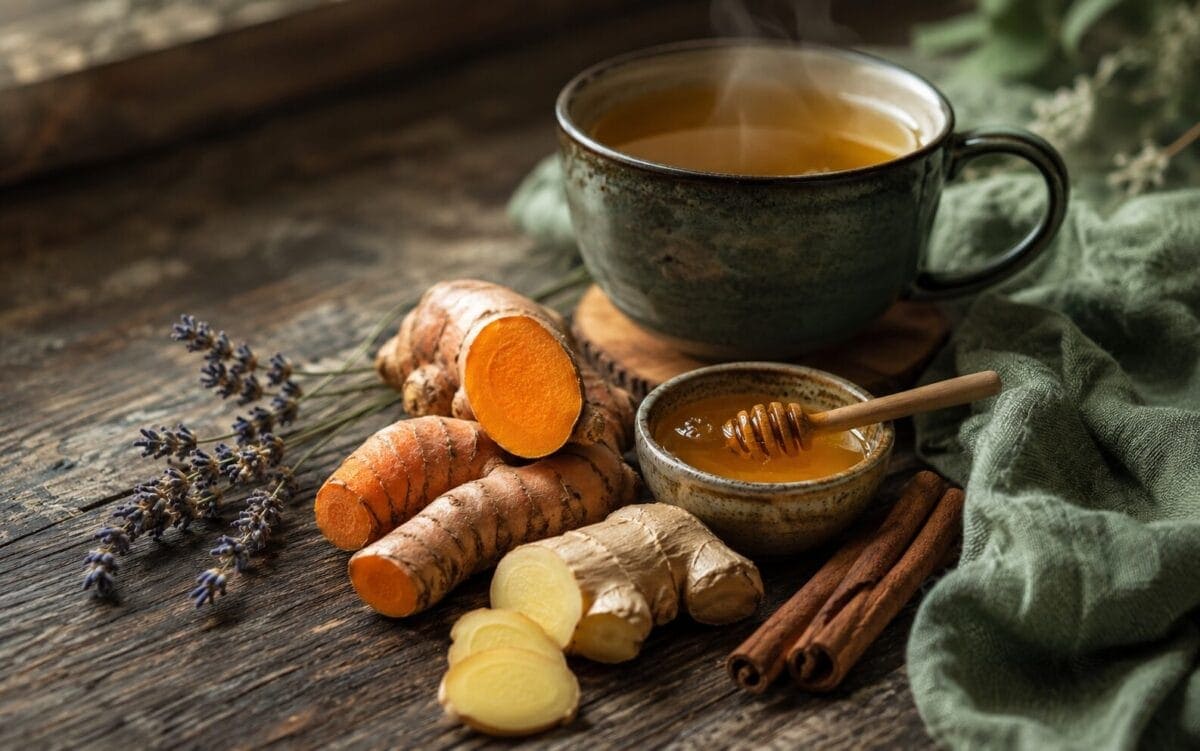
Two pantry staples that make it easy to keep warm, soothing fluids going all day — the foundation of nearly every remedy in this guide.
Drink tea warm, not scalding — very hot liquids can further irritate sensitive tissue. Adding a little honey makes these teas even more soothing, particularly when coughing is part of the problem. If you're pregnant, on medication, or managing a chronic condition, check herb safety before using stronger blends regularly.
When Warm Fluids Support Faster Comfort
Warm drinks aren't just tradition — they add moisture and encourage frequent swallowing, which can make a dry, irritated throat feel less tight and painful. Warmth also has a relaxing effect that makes symptoms feel more manageable, even when the drink itself isn't medicinal.
Warm fluids are especially useful when mouth breathing, indoor heating, fever, or poor appetite raise the risk of dehydration. Even mild dehydration can leave the throat feeling sticky, raw, and uncomfortable. Good options include warm water with honey, herbal tea, clear broth, or warm lemon water (if the acidity doesn't sting).
Signs a Sore Throat Needs Medical Care
Natural remedies help with mild irritation, but they aren't the right answer for every sore throat. A sore throat may need prompt medical attention if it comes with high fever, trouble breathing, difficulty swallowing saliva, severe swelling, or a muffled voice. White patches on the tonsils, a swollen neck, or a rash may also point to something that needs professional evaluation.
Watch for these warning signs:
- Sore throat lasting more than about a week without improvement
- Difficulty opening the mouth or swallowing liquids
- Persistent fever or worsening body aches
- Blood in saliva or severe one-sided throat pain
- Dehydration signs such as dizziness, very dark urine, or not drinking enough
People with weakened immune systems, chronic illnesses, or recent exposure to strep throat may want to seek advice sooner — the same goes if symptoms improve and then suddenly worsen again.
A Simple Two-Day Relief Plan
If your symptoms seem mild — an ordinary cold or a dry, irritated throat — a short home plan can make a real difference. The key is combining remedies rather than relying on just one.
Day 1: Start the morning with warm water or caffeine-free tea. Add honey once or twice through the day if it suits your age and health needs. Eat soft foods like soup, oatmeal, or yogurt. Gargle with warm salt water if it feels soothing, and run a humidifier at night if indoor air is dry.
Day 2: Keep up the herbal teas, steady fluids, and voice rest. If coughing is still bothering the throat, add another spoonful of honey before bed or sip warm broth in the evening. Avoid smoke, heavy exercise, and crunchy or spicy foods that can scrape or sting the throat. Limit unnecessary talking and rest as much as you can.
At the end of day two, reassess. If you're feeling better, keep going with the same gentle routine. If pain is worsening or new red-flag symptoms appear, it's time to move past self-care and see a doctor.
Frequently Asked Questions
Does honey actually work for a sore throat?
Honey's thick texture coats the throat and can reduce that scratchy, burning feeling, and it may help calm the coughing that often makes throat pain worse. It works best as a soothing support alongside rest and hydration, not as a standalone cure.
Is it better to drink tea hot or warm for a sore throat?
Warm, not scalding hot. Very hot liquids can further irritate tissue that's already sensitive, so let tea cool slightly before sipping.
When should I stop treating a sore throat at home and see a doctor?
See a doctor if the sore throat lasts more than about a week, comes with a high fever or trouble breathing, makes swallowing liquids difficult, or if you notice white patches on the tonsils or a swollen neck.
