


Overview
Busy evenings often push healthy intentions aside, but anti-inflammatory dinners can be both practical and satisfying. When your day is full, the last thing you need is a complicated recipe with a long ingredient list. The good news is that an anti-inflammatory diet does not require expensive specialty foods or hours in the kitchen. It simply focuses on whole ingredients that help the body feel nourished instead of overloaded.
Inflammation is a natural process, but frequent reliance on heavily processed meals, excess sugar, and refined oils may encourage it to stay elevated. Over time, that can leave you feeling sluggish, bloated, and less energized. Choosing easy healthy dinners built around vegetables, healthy fats, lean proteins, beans, and healing spices can make a noticeable difference in how you feel after dinner and the next morning.
Simple weeknight meals made with real ingredients can support steady energy, better digestion, and a more balanced lifestyle
In this guide, you will find seven nourishing dinner ideas, plus practical tips on meal prep, natural anti-inflammatory foods, and the best spices to keep on hand. Each suggestion is designed for real life: quick enough for weeknights, flexible enough for families, and aligned with the natural wellness approach that values food as everyday support. If you want a simple way to begin eating better without stress, these dinners offer a realistic place to start.
Why Inflammation Spikes After Processed Meals
Processed meals are convenient, but many are built with ingredients that do little to support the body’s natural balance. Refined carbohydrates, added sugars, sodium-heavy sauces, and industrial seed oils can all make a meal more inflammatory, especially when eaten often. These foods digest quickly, which may contribute to sharp blood sugar swings and leave you feeling hungry again soon after eating.
Another reason inflammation may rise after processed foods is the lack of protective nutrients. Whole foods naturally provide fiber, antioxidants, minerals, and plant compounds that help the body regulate stress and recovery. A frozen meal, drive-thru dinner, or ultra-processed snack-based supper often contains calories without the same level of nourishment. That means the body gets less of the support it needs while taking in more of what can trigger imbalance.
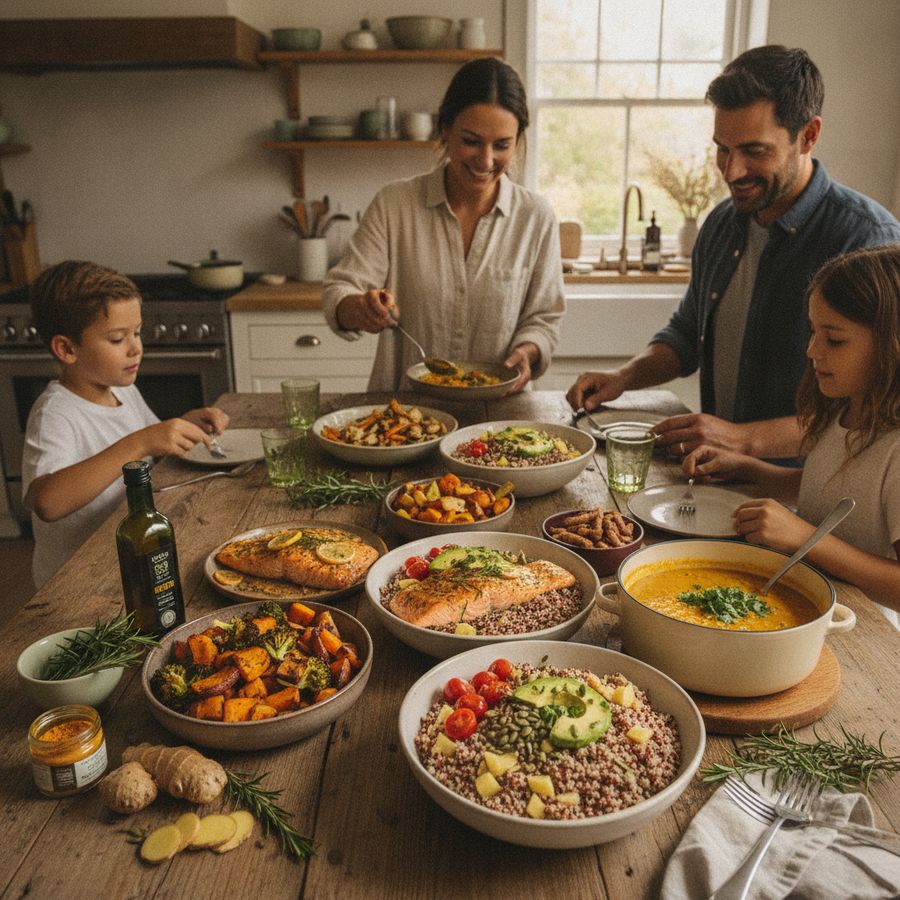
For many people, the result is familiar: heaviness, fatigue, bloating, and that uncomfortable feeling of being full but not truly satisfied. By contrast, anti-inflammatory dinners include ingredients that work with the body instead of against it. Think roasted vegetables instead of fries, salmon instead of processed meat, and olive oil-based dressings instead of sugary bottled sauces.
- Refined carbs may increase blood sugar spikes
- Added sugars can promote inflammatory stress
- Low-fiber meals often reduce fullness and digestive support
- Artificial additives may replace more nourishing whole ingredients
Making small swaps at dinner is one of the easiest ways to reduce daily inflammatory load without following an overly strict plan.
Seven Anti-inflammatory Dinners with Simple Ingredients
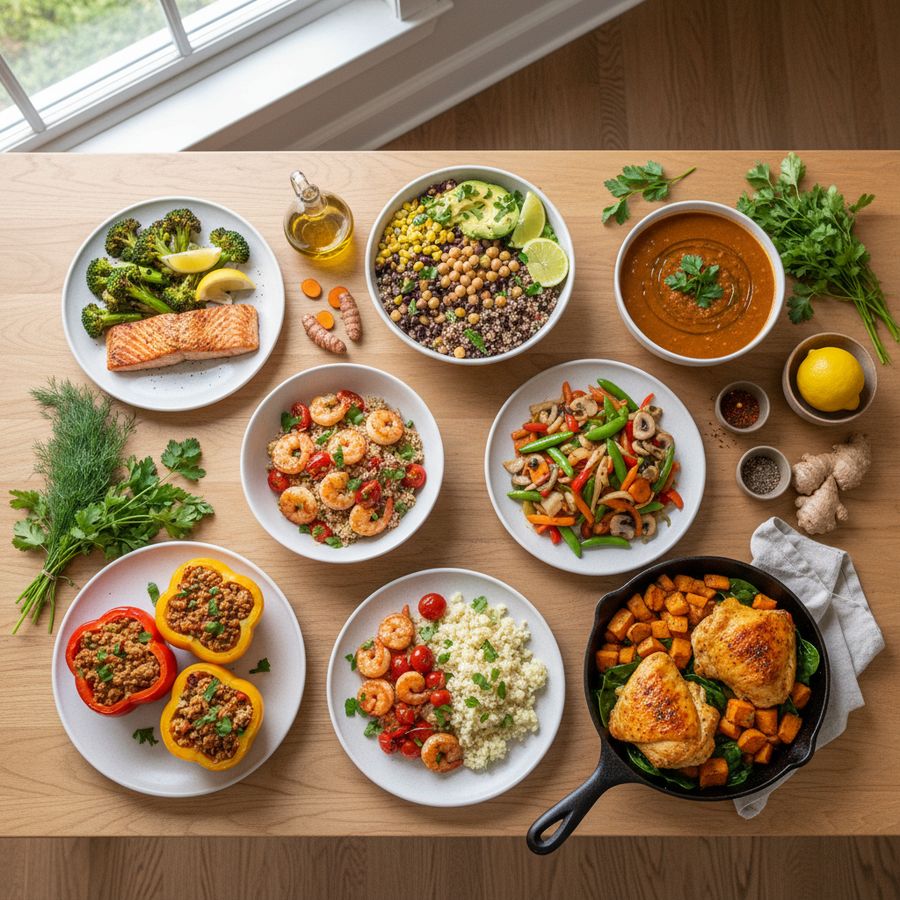
The best anti-inflammatory dinners are simple enough to make on a weeknight and flavorful enough that you will actually want to repeat them. Start with baked salmon, roasted sweet potatoes, and steamed broccoli. This combination gives you omega-3 fats, fiber, and antioxidants in one balanced plate. Another easy option is a turmeric chicken and vegetable skillet with zucchini, carrots, and bell peppers cooked in olive oil.
For plant-forward nights, try lentil soup with spinach and tomatoes, or a quinoa bowl with chickpeas, avocado, cucumber, and lemon-tahini dressing. Both meals are rich in foods that reduce inflammation naturally while staying budget-friendly. If you want comfort food, brown rice stir-fry with ginger, garlic, mushrooms, and shredded cabbage is deeply satisfying without feeling heavy.
Two more excellent choices include grilled shrimp with cauliflower rice and sautéed greens, plus stuffed bell peppers filled with black beans, quinoa, diced vegetables, and herbs. These meals prove that easy healthy dinners do not have to be bland or repetitive.
- Salmon, sweet potato, and broccoli
- Turmeric chicken vegetable skillet
- Lentil soup with spinach and tomatoes
- Quinoa bowl with chickpeas and avocado
- Brown rice ginger vegetable stir-fry
- Grilled shrimp with cauliflower rice
- Stuffed bell peppers with beans and quinoa
When dinner starts with whole ingredients, flavor and wellness often come together naturally
Keep these meals flexible. Swap proteins, use seasonal vegetables, and adjust spice levels to fit your household. The goal is not perfection. It is building a realistic dinner routine that supports energy, digestion, and long-term health.
Foods That Reduce Inflammation Naturally
If you are building an anti-inflammatory diet, the most helpful strategy is to focus on what to include more often. Many everyday foods contain nutrients and plant compounds that support the body’s normal inflammatory response. Fatty fish such as salmon and sardines are excellent choices because they provide omega-3 fatty acids. Extra virgin olive oil, avocados, nuts, and seeds also offer healthy fats that pair well with weeknight meals.
Colorful produce deserves a central role as well. Leafy greens, berries, tomatoes, broccoli, carrots, and bell peppers bring antioxidants that help protect cells from daily stress. Beans, lentils, and whole grains like quinoa or brown rice add fiber, which supports gut health and steady energy. Since the gut and inflammation are closely connected, these foods can be especially valuable in regular dinner planning.
Herbs, spices, and simple pantry staples can also strengthen your meals. Garlic, ginger, turmeric, cinnamon, and green herbs add flavor while contributing wellness-supporting compounds. Even a basic bowl of soup or grain-based dinner becomes more beneficial when built around these ingredients.
- Fatty fish rich in omega-3s
- Leafy greens and cruciferous vegetables
- Berries and tomatoes
- Beans, lentils, and whole grains
- Olive oil, nuts, seeds, and avocado
- Garlic, ginger, and turmeric
Rather than chasing a perfect menu, fill your plate with a variety of foods that reduce inflammation. Over time, those consistent choices can support a healthier, more balanced routine without making dinner feel restrictive.
Easy Meal Prep for Busy Evenings
One of the biggest reasons people skip healthy dinners is decision fatigue. After a long day, even good intentions can disappear if nothing is ready. That is where smart meal prep becomes a powerful part of an anti-inflammatory lifestyle. You do not need to prepare seven full meals in advance. Even small steps can make weeknight cooking much easier.
Start by prepping a few foundation ingredients once or twice a week. Wash and chop vegetables, cook a batch of quinoa or brown rice, and prepare one protein such as shredded chicken, baked tofu, or roasted salmon. A homemade sauce like lemon-olive oil dressing or tahini sauce can instantly turn simple ingredients into a complete dinner. When the basics are ready, dinner comes together in minutes instead of feeling like a major task.
Storage matters too. Keep ingredients in clear containers so they are easy to see and use. Build mix-and-match meals instead of rigid plans. For example, roasted vegetables can go into a grain bowl one night, a soup the next, and a wrap the day after. This saves time while reducing food waste.
Meal prep does not have to be elaborate to be effective — a few prepared basics can change the entire week
- Chop vegetables ahead of time
- Cook one or two whole grains in batches
- Prepare a simple protein source
- Keep anti-inflammatory sauces ready
- Store grab-and-use ingredients at eye level
With a little planning, easy healthy dinners become the default choice instead of the difficult one.
Anti-inflammatory Spices That Boost Each Dinner
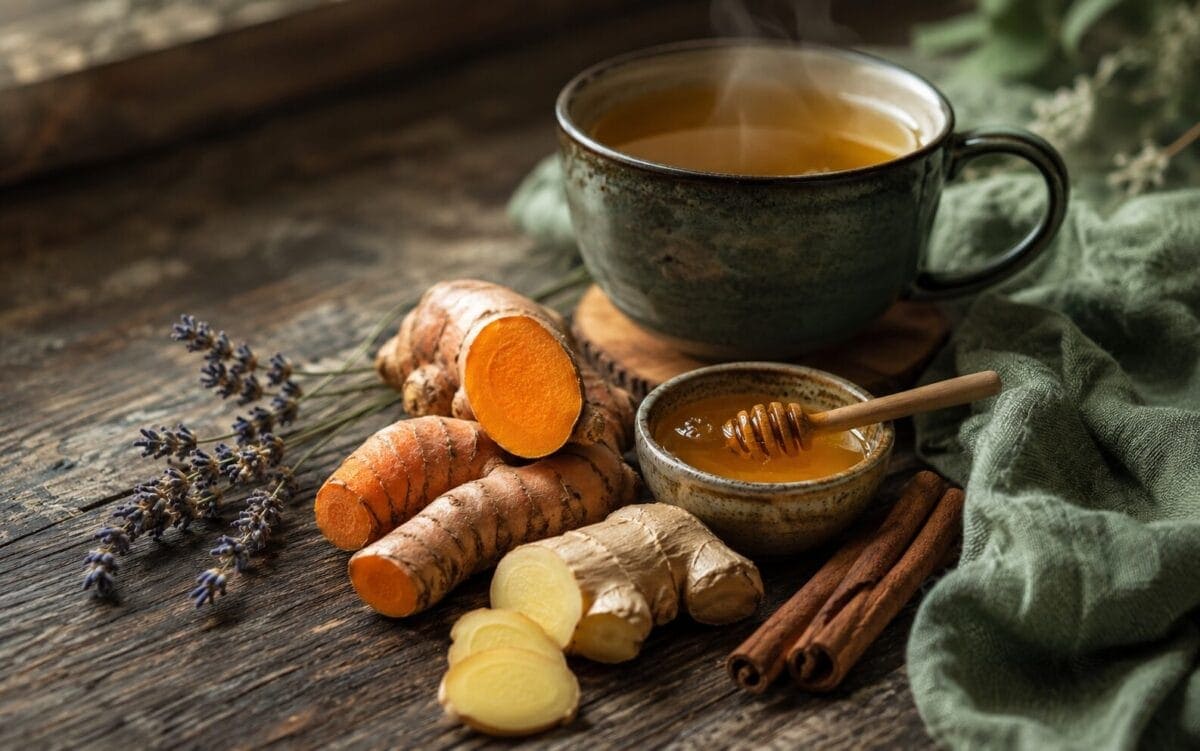
Spices are one of the easiest ways to make healthy food more exciting, and many of them fit beautifully into an anti-inflammatory diet. Turmeric is one of the most well-known, thanks to its active compound curcumin. It pairs well with soups, roasted vegetables, rice dishes, and chicken. For even better use in meals, combine it with black pepper and a healthy fat like olive oil.
Ginger is another excellent addition for weeknight cooking. Its warm, slightly spicy flavor works in stir-fries, marinades, soups, and even simple broth-based meals. Garlic, while technically a bulb rather than a spice, deserves a place in nearly every anti-inflammatory kitchen because it adds both depth and natural wellness benefits. Cinnamon can also be used in savory dishes such as roasted squash, sweet potatoes, or warm grain bowls.
Other flavorful options include cumin, rosemary, oregano, and paprika. These spices help reduce the need for heavy bottled sauces or excess salt, making dinners cleaner and more vibrant. A simple meal becomes much more satisfying when the seasoning is thoughtful.
- Turmeric: earthy and warm for bowls, soups, and chicken
- Ginger: ideal for stir-fries and marinades
- Garlic: versatile and deeply flavorful
- Cinnamon: excellent with sweet potatoes and squash
- Rosemary and oregano: perfect for roasted vegetables
Using these spices regularly helps turn ordinary meals into nourishing anti-inflammatory dinners that feel comforting, aromatic, and deeply satisfying.
Conclusion
Healthy eating shouldn’t be a source of stress. The most sustainable anti-inflammatory dinners are those you can prepare regularly using simple ingredients and flexible recipes. By moving away from heavily processed meals and focusing on whole foods, you provide your body with what it needs for steady energy, better digestion, and long-term wellness.
Whether you start with salmon and vegetables, lentil soup, or a quick quinoa bowl, each small choice matters. An anti-inflammatory diet is not about perfection or strict rules. It is about creating a repeatable rhythm of meals that leave you feeling nourished instead of depleted. Adding more foods that reduce inflammation, using supportive spices, and practicing easy meal prep can make healthy weeknight cooking far more realistic.
Wellness often grows from simple daily habits, and dinner is one of the most powerful places to begin
If your evenings are busy, start with one or two meals from this list and build from there. Over time, those small changes can become a dependable routine of easy healthy dinners that support both comfort and health. When real food is simple, flavorful, and within reach, better choices feel natural.
