


Fibermaxxing: The #1 Health Trend of 2026 — What It Is, Why It Works & How to Start Today
The viral movement replacing the protein obsession — and why gut health experts say it's finally the right conversation

If you have spent any time on TikTok, Instagram, or health forums in 2026, you have almost certainly heard the word fibermaxxing. After years of protein obsession — high-protein shakes, protein bars, protein-everything — the wellness world has made a dramatic pivot. Fiber is now the most-talked-about nutrient of the year, and for very good reason. Roughly 95% of people do not eat enough fiber, despite decades of research showing it is one of the single most powerful things you can do for your gut, your heart, your weight, and even your mood.
This guide covers everything you need to know about fibermaxxing — the science, the best foods, how to start without bloating yourself, and a complete 7-day meal plan that makes it easy and delicious. Let's get into it.
What Is Fibermaxxing?
Fibermaxxing is the practice of intentionally maximizing your daily dietary fiber intake — typically aiming for 30 to 50 grams per day — through a variety of whole, plant-based foods. The term was born on TikTok in 2025, where creators began documenting their efforts to pack fiber into every meal and snack. By early 2026, it had exploded into one of the most searched nutrition topics globally.
Unlike many viral diet trends, fibermaxxing is not about restriction, expensive supplements, or cutting out entire food groups. It is about adding more — more beans, more oats, more vegetables, more fruits, more whole grains — and watching your digestion, energy, weight, and mood transform as a result.
The recommended daily fiber intake is 25 grams for women and 38 grams for men. Most people get around 15 grams. Fibermaxxing simply means closing that gap — deliberately, consistently, and deliciously.
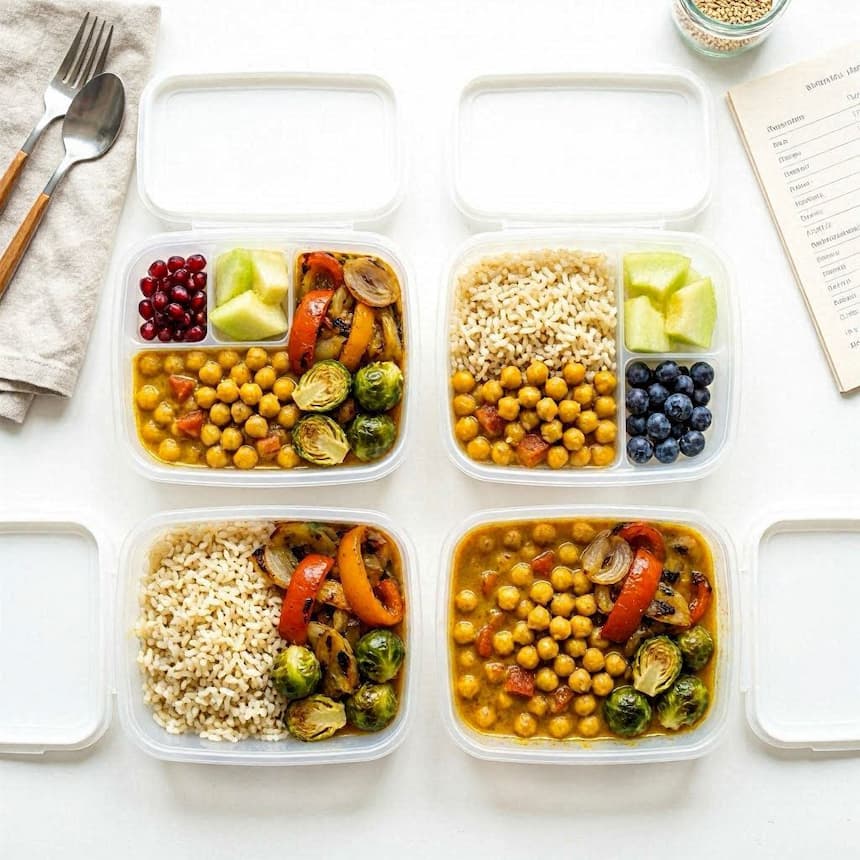
Why Is Fibermaxxing Trending in 2026?
Several forces came together to push fiber from nutrition's "afterthought" to its hottest topic practically overnight. Here is what is driving the momentum:
TikTok Made It Viral
Creators began sharing their fibermaxxing journeys — tracking grams, showing high-fiber meals, and documenting visible improvements in digestion, bloating, and energy. The #fibermaxxing hashtag generated millions of views throughout 2025 and exploded in early 2026.
Big Brands Are Betting On It
PepsiCo's CEO called fiber the "next protein." McDonald's and Whole Foods listed fiber as their top 2026 food trend. PepsiCo launched Smartfood Fiber Pop and SunChips Fiber in early 2026. When billion-dollar brands move, consumer attention follows.
Science Keeps Confirming It
A surge in peer-reviewed research links gut dysbiosis (low gut bacteria diversity) to metabolic disease, mental health issues, inflammation, and chronic illness. Since fiber is the primary food for gut bacteria, the scientific case for fibermaxxing is stronger than ever.
Protein Fatigue
After years of protein marketing domination — protein bars, shakes, protein-fortified cereals — consumers discovered most already exceed protein needs. Meanwhile fiber intake remains catastrophically low. The pendulum is swinging to where the real gap is.
It's Accessible and Affordable
Beans, lentils, oats, and vegetables are among the cheapest foods in any grocery store. Fibermaxxing doesn't require expensive supplements, biohacking devices, or specialty products. That accessibility is rare in the wellness world — and people have noticed.
Gut-Mental Health Link
Growing awareness of the gut-brain connection — specifically how gut bacteria produce serotonin, dopamine, and GABA — has made people realize that improving gut health through fiber is also improving their mental health. One habit, multiple payoffs.
The Science: What Fiber Actually Does in Your Body
There are two types of dietary fiber, and understanding both helps you make smarter food choices:
🌊 Soluble Fiber
Soluble fiber dissolves in water and forms a thick gel in your digestive tract. This gel slows digestion, which means glucose enters the bloodstream more gradually — stabilizing blood sugar and reducing cravings. Soluble fiber also binds to LDL (bad) cholesterol and carries it out of the body, directly protecting heart health. Sources include oats, apples, beans, flaxseeds, and chia seeds.
🌾 Insoluble Fiber
Insoluble fiber does not dissolve in water. Instead, it adds bulk to your stool, speeds the movement of food through the digestive tract, and prevents constipation. It is the fiber responsible for keeping things moving smoothly. Sources include whole wheat, brown rice, nuts, and most vegetables.
But perhaps the most important thing fiber does in your body is something most people do not know about at all: it feeds your gut microbiome. Your gut bacteria cannot eat protein or fat. They eat fiber — specifically, a type called prebiotic fiber — and when they ferment it, they produce short-chain fatty acids (SCFAs) like butyrate, propionate, and acetate. These SCFAs heal the gut lining, reduce inflammation throughout the body, regulate the immune system, and send positive signals to the brain via the vagus nerve.
🔬 The Short-Chain Fatty Acid Revolution
When gut bacteria ferment fiber, they produce butyrate — a short-chain fatty acid that is now considered one of the most important compounds for total body health. Butyrate heals the gut lining, reduces colon cancer risk, regulates blood sugar, reduces neuroinflammation, and may even influence gene expression. You cannot buy butyrate as a supplement and get the same effect. The only reliable way to produce it is to eat fiber and feed the bacteria that make it.
7 Powerful Health Benefits of Fibermaxxing
This is not just about staying regular. Here is what the research actually shows happens when you consistently eat adequate fiber:
1. 🦠 Dramatically Improves Gut Health
Fiber is the primary food source for your gut microbiome. Without it, beneficial bacteria literally starve and die. Multiple studies show that increasing dietary fiber diversity meaningfully increases gut microbiome diversity within 2 to 4 weeks — and a more diverse microbiome is associated with better health across virtually every measure. This is the foundation of fibermaxxing. For a deep dive, read our guide on mastering the gut microbiome reset.
2. ⚖️ Supports Healthy Weight Without Hunger
High-fiber foods are bulky and slow to digest, meaning they keep you full far longer than low-fiber alternatives with the same calorie count. A bowl of oats with berries keeps you satisfied for 3 to 4 hours. A bowl of sugary cereal leaves you hungry in 45 minutes. Fibermaxxing naturally reduces overall calorie intake without requiring calorie counting or restriction — the satiety does the work for you.
3. ❤️ Protects Heart Health
Soluble fiber directly reduces LDL cholesterol by binding to it in the digestive tract and removing it before it can be absorbed. Research consistently shows that every 10 grams of additional daily fiber reduces cardiovascular disease risk by 14%. At fibermaxxing levels of 30 to 50 grams per day, the heart-protective effects are significant.
4. 🩺 Stabilizes Blood Sugar and Reduces Diabetes Risk
Fiber slows the absorption of carbohydrates, flattening blood sugar spikes after meals. This reduces the demand for insulin over time, protecting insulin sensitivity and dramatically lowering type 2 diabetes risk. Diets high in fiber are associated with a substantially lower risk of developing type 2 diabetes compared to low-fiber diets.
5. 😊 Boosts Mood and Reduces Anxiety
This is the connection most people miss. Your gut bacteria produce neurotransmitters — including 95% of your body's serotonin. When fiber feeds those bacteria, it supports serotonin production. When fiber is absent, those bacteria decline, serotonin output drops, and mood, sleep quality, and stress resilience suffer. Fibermaxxing is, indirectly, a mental health intervention. Learn more about how your gut controls your mood.
6. 🛡️ Reduces Cancer Risk
High fiber intake — particularly from whole grains and legumes — is associated with a substantially reduced risk of colorectal cancer, one of the most common cancers globally. The butyrate produced by fiber fermentation actively suppresses cancer cell proliferation in the colon lining. This is one of the most consistent findings in nutritional epidemiology over the last 30 years.
7. ⚡ Increases Energy and Reduces Brain Fog
Blood sugar crashes cause the afternoon energy slumps and brain fog so many people experience daily. Because fiber slows glucose absorption, fibermaxxing produces steadier, more sustained energy throughout the day — without stimulants, without caffeine spikes, without the inevitable crash. Many people report dramatic improvements in mental clarity within the first week of increasing fiber intake.
The Best High-Fiber Foods for Fibermaxxing
Here is how much fiber is in a standard serving of the most powerful fibermaxxing foods — so you can build your meals strategically:
- Legumes (beans, lentils, chickpeas) — The single highest-fiber category available. One cup of black beans delivers 15g of fiber — half your daily target in one ingredient
- Whole grains (oats, brown rice, barley, whole wheat) — Unlike refined grains, whole grains retain the bran layer where most fiber lives. Swap white rice for brown, white bread for whole grain
- Chia seeds and flaxseeds — Tiny but extraordinarily fiber-dense. Two tablespoons of chia seeds deliver 10g of fiber and omega-3s simultaneously. Stir into yogurt, smoothies, or overnight oats
- Cruciferous vegetables (broccoli, cauliflower, Brussels sprouts, cabbage) — High in both fiber and sulforaphane, a compound that reduces inflammation in the gut lining
- Root vegetables (sweet potato, carrots, parsnips) — Particularly rich in prebiotic fiber that feeds specific beneficial bacterial strains in the colon
- Berries (raspberries, blackberries, strawberries) — Some of the highest-fiber fruits available, plus polyphenols that directly feed good gut bacteria. See also our guide on 8 superfoods that boost energy
- Avocado — Rich in both soluble and insoluble fiber, plus healthy fats that support the absorption of fat-soluble nutrients
- Apples and pears (with skin) — The skin is where the fiber lives. Never peel these fruits. Apples are also rich in pectin, a prebiotic soluble fiber that feeds beneficial gut bacteria
- Nuts (almonds, walnuts, pistachios) — A convenient fiber-dense snack that also delivers healthy fats, protein, and minerals like magnesium that support gut muscle contractions

How to Start Fibermaxxing (Without the Side Effects)
The most common mistake beginners make is going from 12 grams of fiber per day straight to 40 grams overnight. This is how you end up bloated, gassy, and swearing off the whole idea. Here is how to start the right way:
⚠️ The Golden Rule: Increase Slowly
Add no more than 5 grams of fiber per week to your current intake. If you currently eat 12 grams per day, aim for 17 grams in week one, 22 grams in week two, and so on until you reach your target. This gradual increase gives your gut bacteria time to adapt and multiply — preventing the gas and bloating that puts people off fiber entirely.
💧 Step 1: Dramatically Increase Water Intake
Fiber absorbs water in your digestive tract. Without enough water, high fiber intake can actually cause constipation rather than preventing it. For every significant increase in fiber intake, increase water intake proportionally. Aim for at least 2 to 2.5 litres per day when fibermaxxing. This single step prevents most of the side effects people associate with high-fiber diets. Read more about gut-healing drinks that can help.
🫘 Step 2: Add Legumes to Every Meal
Legumes are the most efficient way to hit fiber targets. Add a scoop of chickpeas to your salad. Swap half the meat in your curry for lentils. Have hummus as your afternoon snack. Each of these moves adds 5 to 10 grams of fiber effortlessly. This single habit alone can nearly double most people's daily fiber intake.
🌾 Step 3: Make Every Grain Choice a Whole Grain
This requires no additional meal planning — simply swap. Brown rice instead of white. Whole grain bread instead of white bread. Oats instead of processed cereal. Whole wheat pasta instead of regular. These swaps add fiber to meals you are already eating without requiring new recipes or effort.
🍎 Step 4: Eat the Skin
The skin of apples, pears, potatoes, cucumbers, and courgettes contains a significant portion of their total fiber. Never peel these unless absolutely necessary. This is one of the easiest zero-effort fiber boosts available.
🌱 Step 5: Add Seeds to Everything
Keep a jar of chia seeds, flaxseeds, and hemp seeds on your kitchen counter. Add a tablespoon to your yogurt, smoothie, porridge, salad dressing, or soup. Two tablespoons of chia seeds add 10 grams of fiber to any meal with no change in taste and minimal effort. This one habit alone is a game-changer for fibermaxxing.
7-Day Fibermaxxing Meal Plan
This plan is designed for beginners targeting 30 to 35 grams of daily fiber. Each day builds fiber intake naturally through whole foods — no supplements required:
| Day | Breakfast | Lunch | Dinner | Est. Fiber |
|---|---|---|---|---|
| Mon | Oats + chia seeds + berries + almond butter | Lentil soup with whole grain bread | Chickpea and spinach curry with brown rice | ~36g |
| Tue | Whole grain toast + avocado + flaxseeds | Black bean salad with roasted veg + olive oil | Vegetable stir-fry with edamame and brown rice | ~34g |
| Wed | Smoothie: banana + spinach + chia + oat milk | Hummus wrap with cucumber, carrots and whole wheat tortilla | Lentil dhal with roasted cauliflower | ~32g |
| Thu | Overnight oats + apple slices + walnuts + cinnamon | Quinoa bowl with roasted sweet potato and chickpeas | Bean and vegetable soup with barley | ~38g |
| Fri | Wholegrain cereal + berries + flaxseeds | Lentil and roasted pepper salad with feta | Salmon with broccoli, peas and brown rice | ~30g |
| Sat | Chia seed pudding + mango + coconut milk | Falafel bowl with tabbouleh and hummus | Black bean tacos with avocado and shredded cabbage | ~40g |
| Sun | Oat pancakes + fresh fruit + almond butter drizzle | Butternut squash and lentil soup | Stuffed peppers with quinoa, black beans and corn | ~36g |
Mistakes to Avoid When Fibermaxxing
- Going too fast too soon — The most common mistake. Add fiber gradually (5g per week) to avoid gas and bloating that derails the habit before the benefits appear
- Relying on fiber supplements instead of whole foods — Psyllium husk capsules give you fiber but not the hundreds of plant compounds, polyphenols, vitamins, and minerals that whole-food fiber sources deliver. Supplements have their place but are not a substitute
- Eating only one or two fiber sources — Different fiber types feed different bacterial species. Diversity matters as much as quantity. Aim for at least 5 to 8 different plant foods per day
- Not drinking enough water — Fiber without water causes constipation. This is the most avoidable side effect and the most common reason people give up
- Choosing high-fiber processed foods over whole foods — Fiber-fortified chips, cereals, and snack bars count toward your gram total but lack the micronutrients and gut-supporting compounds of real whole foods
- Expecting overnight results — Gut microbiome composition takes 2 to 4 weeks to meaningfully shift. Commit to the habit before judging the results
- Forgetting to read labels — Many foods marketed as "whole grain" or "high fiber" contain less than 2 grams per serving. Actual whole foods are always more reliable than packaged claims
Fibermaxxing and Your Gut-Brain Connection
Here is the link that most fibermaxxing articles do not explain: increasing fiber is not just a digestive intervention — it is a mental health intervention.
When your gut bacteria ferment fiber and produce short-chain fatty acids like butyrate, those compounds directly influence brain function. They reduce neuroinflammation, support the blood-brain barrier, and create the conditions in which your gut bacteria can produce the neurotransmitters your brain depends on — including serotonin, GABA, and dopamine.
Studies show that high-fiber diets are associated with significantly lower rates of depression and anxiety — not because fiber is a mood drug, but because the healthy gut microbiome it creates is the factory that produces your mood chemicals. When that factory is well-fed, output improves. When it is starved of fiber, output drops and mood follows.
This means fibermaxxing is one of the most complete natural wellness habits available — improving digestion, blood sugar, heart health, weight, and mental health simultaneously through one simple behavioral change: eating more plants. For more on this connection, explore our article on the gut-brain connection and how your stomach controls your mood.
🧠 Fibermaxxing + Adaptogenic Herbs = Peak Gut-Brain Health
For an even more powerful combination, pair your fibermaxxing practice with adaptogenic herbs like ashwagandha, rhodiola, and holy basil (tulsi). Adaptogens reduce cortisol, which when chronically elevated, damages gut bacteria diversity. Lower stress hormones + higher fiber intake = the most effective natural gut-brain protocol available. Read our guide on adaptogenic herbs for stress to learn more.
Conclusion: Why Fibermaxxing Is the Wellness Habit of the Decade
Fibermaxxing is not a fad. It is a return to what human bodies have always been designed to eat — diverse, plant-rich, fiber-dense whole foods that feed the microbiome, stabilize energy, protect the heart, support mental health, and reduce disease risk across the board.
The viral TikTok trend is simply putting a name on something nutritional science has been saying for 30 years: most of us eat too little fiber, and fixing that gap is one of the highest-return health investments you can make. The difference between fibermaxxing and every other wellness trend is that the evidence is rock solid, the foods are cheap and accessible, and the benefits span every major body system simultaneously.
Start where you are. Add a scoop of black beans to lunch. Stir chia seeds into breakfast. Choose whole grain bread over white. Eat the skin of your apple. Stack those small choices day after day — and within weeks, your gut microbiome, your energy levels, your mood, and your long-term health will reflect the difference.
Your gut bacteria are waiting to be fed. Give them what they need.

2 Comments
[…] Fibermaxxing: The #1 Health Trend of 2026 — What It Is & How to Start […]
[…] Fibermaxxing: The #1 Health Trend of 2026 — What It Is & How to Start […]