
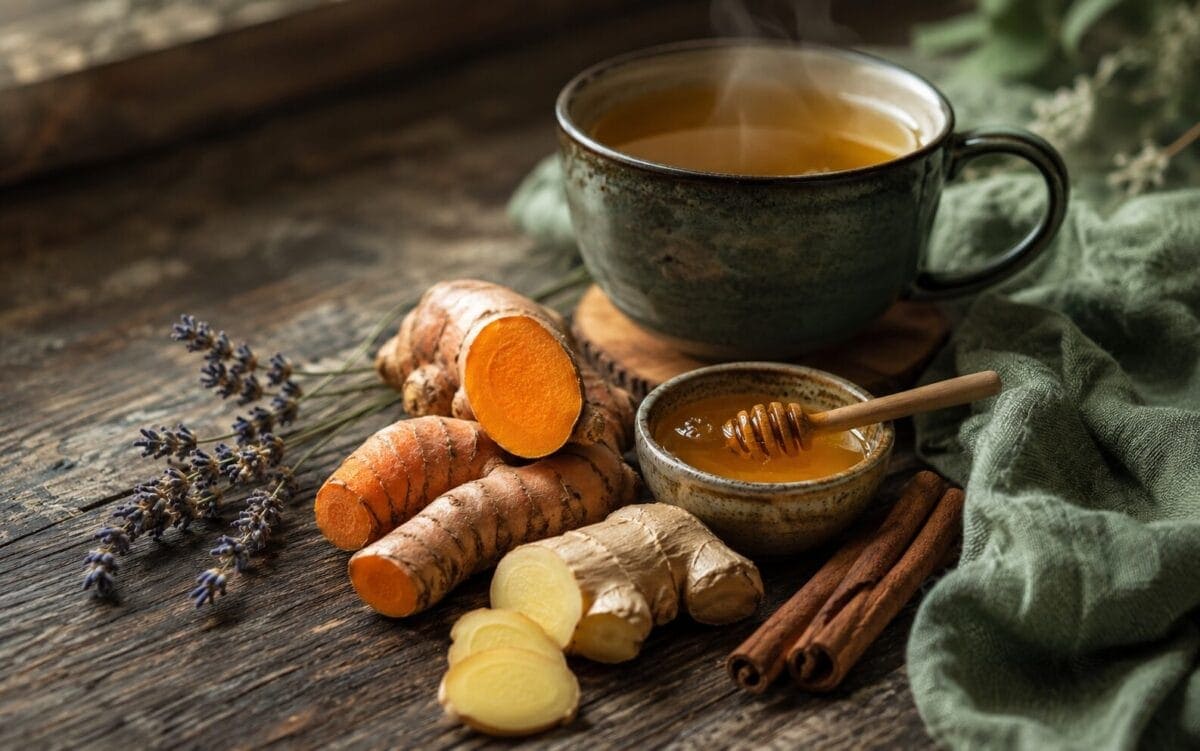

Herbal Tea vs Green Tea:
Key Scientific Differences,
Health Benefits & Which Is Right for You
A complete science-backed breakdown of antioxidants, caffeine, digestion, sleep, weight loss and which tea wins for your specific health goals.
Both herbal tea and green tea are celebrated as natural health drinks — but they are fundamentally different in what they are, how they work, and what they do for your body. Choosing between them isn’t just a matter of taste: it can directly affect your energy levels, sleep quality, digestion, anxiety, and long-term disease risk.
This complete guide cuts through the confusion with science-backed comparisons across every major health category — so you can make the right choice for your lifestyle, goals, and body.
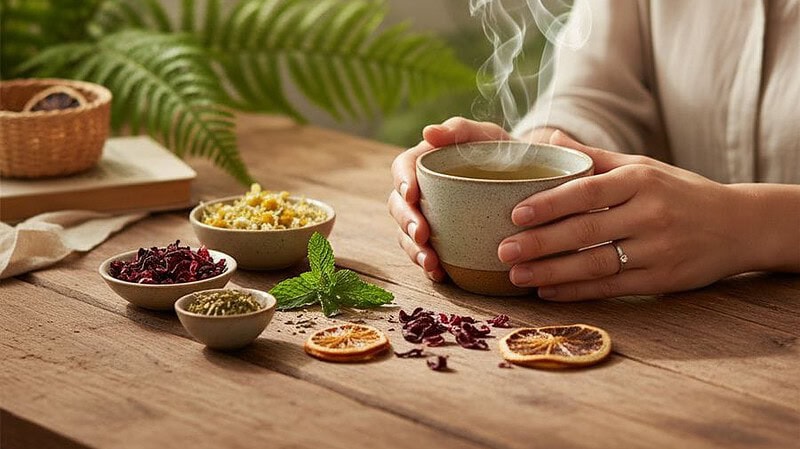
Herbal teas (left) and green tea (right) — both powerful wellness drinks, but with very different science behind them.
📋 What You’ll Learn in This Guide
- 1What Are Herbal Tea & Green Tea? The Core Difference
- 2Caffeine: The Biggest Practical Difference
- 3Antioxidants & Polyphenols Compared
- 4Weight Loss: Which Tea Burns More Fat?
- 5Sleep & Anxiety: Where Herbal Tea Wins
- 6Digestion & Gut Health
- 7Heart Health & Immunity
- 8Full Side-by-Side Comparison Table
- 9Best Tea Products on Amazon
- 10Final Verdict & Our Recommendation
- 11Frequently Asked Questions
🌱 1. What Are Herbal Tea & Green Tea? The Core Difference
Before comparing benefits, it’s essential to understand that herbal tea and green tea are not the same type of drink — they come from completely different botanical sources and have entirely different compositions.
What Is Green Tea?
Green tea is made exclusively from the leaves of the Camellia sinensis plant — the same plant that produces black tea, white tea, and oolong. The key difference is processing: green tea leaves are minimally oxidised, which preserves their natural compounds including caffeine, L-theanine, and high concentrations of EGCG (epigallocatechin gallate).
What Is Herbal Tea?
Herbal tea (also called tisane) is technically not “tea” at all — it contains no tea plant leaves. Instead, herbal teas are infusions made from herbs, flowers, roots, spices, and fruits. Common examples include chamomile, peppermint, ginger, rooibos, hibiscus, valerian, elderflower, and echinacea. Each herbal tea has a completely unique compound profile and specific health effects.
🔬 Key Botanical Distinction
- Green tea: From Camellia sinensis leaves — contains caffeine, L-theanine, EGCG
- Herbal tea: From various herbs, roots, flowers — almost always caffeine-free
- This single difference shapes nearly every health comparison between them
- Both are hot water infusions — but with entirely different active compounds
Calling herbal tea “tea” is like calling apple juice “wine” — they share a preparation method but are botanically and chemically worlds apart.
☕ 2. Caffeine: The Biggest Practical Difference
For most people, caffeine is the single most important factor when choosing between herbal and green tea — because it directly affects your energy, sleep, anxiety, and how many cups you can safely drink each day.
| Caffeine Factor | 🌿 Herbal Tea | 🍵 Green Tea |
|---|---|---|
| Caffeine content | 0 mg (caffeine-free) | 20–45 mg per cup |
| Safe cups per day | Unlimited (herb-dependent) | 3–5 cups recommended |
| Safe after 2pm? | ✅ Yes — anytime | ⚠️ Caution after 2pm |
| Safe during pregnancy? | Most types — yes | ⚠️ Limited (caffeine risk) |
| Good for anxiety? | ✅ Yes (chamomile, lavender) | ✅ Yes (L-theanine helps) |
| Energy boost? | ❌ No stimulant effect | ✅ Gentle, sustained energy |
| Sleep disruption risk | None | Low–moderate if late |
💡 Green Tea’s Caffeine Advantage Over Coffee
- Green tea contains L-theanine — an amino acid that smooths caffeine’s stimulating effect
- This creates “calm focus” rather than jitteriness — unlike coffee’s raw caffeine spike
- Herbal tea offers zero caffeine risk — ideal for sensitive individuals, children, and pregnancy
- For more on caffeine and anxiety, see our adaptogenic herbs guide
🛡️ 3. Antioxidants & Polyphenols Compared
Antioxidants are the reason both teas are celebrated as health drinks — but their antioxidant profiles are strikingly different in both type and potency.
Green Tea: The EGCG Powerhouse
Green tea is the richest known dietary source of EGCG (epigallocatechin gallate) — the most researched polyphenol for disease prevention. EGCG has been clinically studied for its effects on cancer cells, neurodegeneration, metabolic function, and cardiovascular protection. One cup of quality green tea delivers roughly 50–100mg of catechins, with EGCG making up the majority.
Herbal Tea: Diverse but Specific Antioxidants
Herbal teas each contain their own unique antioxidant compounds — but these vary enormously by plant. Hibiscus tea is exceptionally high in anthocyanins. Rooibos contains aspalathin — a rare flavonoid not found elsewhere. Chamomile is rich in apigenin. No single herbal tea matches green tea’s EGCG concentration, but collectively, herbal teas offer a broader diversity of protective plant compounds.
📊 Antioxidant Profile at a Glance
- Green tea: EGCG, catechins, polyphenols — most concentrated single-source antioxidant tea
- Hibiscus herbal tea: Anthocyanins — best herbal tea for blood pressure reduction
- Rooibos herbal tea: Aspalathin — unique compound with blood sugar benefits
- Chamomile herbal tea: Apigenin — binds to GABA receptors for sleep and calm
- Winner for pure antioxidant power: Green tea — but herbal teas win for variety
🛒 Top Herbal Tea & Green Tea Products on Amazon
 🍃
🍃⚖️ 4. Weight Loss: Which Tea Burns More Fat?
Both herbal and green tea are commonly recommended for weight management — but through very different mechanisms, and with very different levels of scientific evidence.
Green Tea & Fat Burning
Green tea has the strongest evidence for weight loss of any tea. Its EGCG and caffeine together create a thermogenic effect — raising your metabolic rate and increasing fat oxidation by up to 17–35% during exercise. EGCG also activates the AMPK enzyme pathway, which specifically targets visceral (belly) fat. This is not a placebo effect — multiple randomised controlled trials confirm the benefit.
Herbal Tea & Weight Management
Most herbal teas have no direct fat-burning compounds. However, they support weight management indirectly: peppermint tea reduces appetite and sugar cravings, ginger tea reduces inflammation linked to obesity, rooibos tea contains aspalathin which may reduce fat cell formation, and replacing high-calorie drinks with herbal tea reduces overall calorie intake significantly.
🏆 Weight Loss Verdict
- Direct fat burning: Green tea wins — EGCG is clinically proven to boost metabolism
- Appetite reduction: Peppermint herbal tea wins — reduces cravings naturally
- Belly fat specifically: Green tea’s EGCG targets visceral fat most effectively
- Long-term strategy: Drink green tea in the morning + herbal tea to replace sugary evening drinks
😴 5. Sleep & Anxiety: Where Herbal Tea Wins Clearly
This is the category where herbal tea has the most decisive advantage — and where millions of people make the wrong choice by drinking green tea too late in the day.
Herbal Tea for Sleep
Chamomile tea contains apigenin — a compound that binds to GABA-A receptors in the brain, the same receptors targeted by anti-anxiety medications (but gently and naturally). Studies show chamomile significantly improves sleep quality, reduces nighttime waking, and lowers anxiety scores. Valerian root and passionflower herbal teas have similarly strong clinical evidence for sleep improvement.
Green Tea & Sleep — A Word of Caution
Green tea’s caffeine (20–45mg per cup) has a half-life of 5–6 hours. A cup at 3pm still has significant caffeine in your system at 9pm — suppressing melatonin and reducing deep sleep time. However, green tea’s L-theanine does counterbalance caffeine’s stimulating effect and can actually promote relaxation when consumed in the morning.
Chamomile tea before bed is one of the most evidence-backed, zero-side-effect sleep interventions available without a prescription.
🦠 6. Digestion & Gut Health
Your gut microbiome — over 100 trillion bacteria — is significantly influenced by what you drink daily. Both teas affect digestion, but in different ways.

Brewing tip: steep green tea at 70–80°C for 2–3 min; herbal teas at 95–100°C for 5–7 min to extract maximum digestive compounds.
Herbal Tea for Digestion
Peppermint tea is clinically proven to relax the smooth muscles of the digestive tract, reducing IBS symptoms, bloating, and cramping. Ginger tea accelerates stomach emptying and reduces nausea. Fennel tea reduces gas and bloating. Herbal teas are generally the superior choice for acute digestive complaints.
Green Tea & Gut Microbiome
Green tea’s EGCG acts as a selective prebiotic — feeding beneficial bacteria like Lactobacillus and Bifidobacterium while inhibiting harmful bacteria. This makes green tea superior for long-term gut microbiome health and diversity. However, green tea’s tannins can cause nausea if consumed on an empty stomach — always drink it after food.
🌿 Digestion Guide: Which Tea to Drink & When
- Bloating or gas: Peppermint or fennel herbal tea after meals
- Nausea: Ginger herbal tea — one of the strongest natural anti-nausea remedies
- IBS symptoms: Peppermint herbal tea — clinically proven relief
- Long-term gut health: Green tea — EGCG promotes microbiome diversity
- For more: see our full guide on using mint for digestion
❤️ 7. Heart Health & Immunity
Green Tea & Heart Health
A landmark Japanese cohort study of 40,530 adults found that drinking 5+ cups of green tea daily reduced cardiovascular disease mortality by 26% in women and 22% in men. Green tea’s catechins reduce LDL oxidation, lower blood pressure, and improve arterial flexibility. The evidence base for green tea and heart health is among the strongest of any food or drink.
Herbal Tea & Heart Health
Hibiscus tea has the strongest heart evidence of any herbal tea — multiple studies show it reduces systolic blood pressure by an average of 7–8 mmHg, comparable to some medications. Rooibos tea improves lipid profiles. Ginger tea reduces blood clot risk. Herbal teas collectively offer real cardiovascular support, though less uniformly studied than green tea.
Immunity: Herbal Tea’s Natural Strength
Many herbal teas have specific immune-supporting properties. Elderflower and elderberry tea have strong clinical evidence for reducing cold duration. Echinacea tea stimulates the immune system. Ginger and turmeric teas reduce systemic inflammation. For immune support during illness, herbal teas often outperform green tea.
📊 8. Complete Side-by-Side Comparison Table
| Health Factor | 🌿 Herbal Tea | 🍵 Green Tea |
|---|---|---|
| Caffeine content | 0mg — caffeine-free | 20–45mg per cup |
| Antioxidant power | Varied by herb | EGCG — most concentrated |
| Weight loss | Indirect (appetite, swap) | Direct fat oxidation (EGCG) |
| Sleep quality | Chamomile, valerian proven | ⚠️ Avoid after 2pm |
| Anxiety relief | Chamomile, lavender, lemon balm | L-theanine helps mildly |
| Acute digestion | Peppermint, ginger, fennel | Mild, can cause nausea empty |
| Long-term gut health | Some prebiotic herbs | EGCG feeds good bacteria |
| Heart health | Hibiscus, rooibos — good | Strong clinical evidence |
| Immunity | Elderberry, echinacea, ginger | General antioxidant support |
| Safe in pregnancy | Most types — yes | ⚠️ Limit caffeine intake |
| Cups per day | Unlimited (herb-dependent) | 3–5 recommended |
| Teeth staining | Minimal (most types) | Mild tannin staining |
| Variety of flavours | Hundreds of options | Limited (green, matcha, sencha) |
| Cost per cup | Generally lower | Low–moderate |
🏆 Our Final Verdict & Recommendation
Neither tea is universally “better” — they serve different purposes at different times of day. The ideal strategy is to use both. Green tea in the morning for antioxidants and gentle energy. Herbal tea in the afternoon and evening for relaxation, digestion, and sleep support.
You want antioxidants, gentle energy, long-term heart health, weight loss support, or gut microbiome diversity.
You need caffeine-free hydration, sleep support, acute digestive relief, immune boosting, or you’re pregnant.
Morning: 1–2 cups green tea. Afternoon: herbal tea (peppermint/ginger). Evening: chamomile or valerian before bed.
You’re pregnant, have severe anxiety, iron deficiency, or are sensitive to caffeine. Choose herbal tea instead.
🛒 Our Top Recommended Tea Products
❓ Frequently Asked Questions
Is herbal tea or green tea better for sleep?
Herbal tea is significantly better for sleep. Chamomile, valerian root, and passionflower herbal teas contain compounds that actively promote relaxation and sleep quality through GABA receptor activity. Green tea contains caffeine which can disrupt sleep if consumed after 2pm. For a complete guide to natural sleep remedies, see our adaptogenic herbs guide.
Which has more antioxidants — herbal tea or green tea?
Green tea has more concentrated antioxidants in total, particularly EGCG — the most researched polyphenol for disease prevention. However, specific herbal teas like hibiscus have exceptionally high anthocyanin counts, and rooibos contains aspalathin not found in green tea. For maximum antioxidant intake, drink both.
Can I drink herbal tea and green tea on the same day?
Yes — this is the ideal strategy recommended by most nutritionists. Drink green tea in the morning for antioxidants and gentle energy. Switch to herbal tea in the afternoon and evening for relaxation, digestion, and sleep benefits without caffeine disrupting your rest. Learn more in our gut-brain connection guide.
Is herbal tea completely caffeine free?
Yes — the vast majority of herbal teas are completely caffeine-free because they are made from herbs, flowers, roots, and spices rather than the Camellia sinensis tea plant. The exceptions are yerba mate and guayusa, which do contain caffeine. Always check the label if you are caffeine-sensitive.
Which tea is better for weight loss — herbal or green?
Green tea has stronger clinical evidence for direct fat burning — its EGCG activates fat oxidation enzymes and targets belly fat. Herbal teas like peppermint support weight loss indirectly by reducing appetite and cravings. The best approach is green tea during the day for metabolic support, and herbal tea to replace high-calorie evening drinks.
Is herbal tea safe during pregnancy?
Most herbal teas are considered safe in pregnancy, but not all. Chamomile, ginger, and rooibos are generally considered safe. However, some herbs (including high-dose peppermint, liquorice root, and certain others) should be avoided. Green tea should be limited during pregnancy due to its caffeine and high EGCG content which may affect folic acid absorption. Always consult your midwife or doctor.
What is the best herbal tea for digestion?
Peppermint tea is the most clinically supported herbal tea for digestion — it relaxes smooth muscle and relieves IBS, bloating, and cramping. Ginger tea is excellent for nausea and slow digestion. Fennel tea relieves gas and bloating. For a full natural digestive guide, see our article on using mint leaves for digestion.
