

How to Remove
Microplastics
From Your Body Naturally
Microplastics have been found in human blood, lungs, liver, and even brain tissue. Here are 10 science-backed natural methods to protect and cleanse your body — starting today.

What You'll Learn in This Guide
- What microplastics are and where they come from
- How microplastics enter and damage your body
- 10 natural methods to remove microplastics
- Best foods that bind and flush microplastics
- A daily detox action plan you can start today
- How to reduce future microplastic exposure
You may be consuming up to 5 grams of microplastics every week — the equivalent of a credit card worth of plastic entering your body through food, water, and air. This is no longer a distant environmental concern. In 2026, scientists have confirmed microplastics in human blood, lung tissue, liver, placenta, and most recently, brain tissue. The question is no longer whether you have microplastics in your body — it's what you can do about it.
The good news is that your body has powerful natural detoxification systems — and specific foods, habits, and natural compounds can significantly support the elimination of these particles. This guide covers every evidence-backed natural strategy available, connecting them to the same natural remedies principles we apply across our health guides. If you are already working on liver detox or gut microbiome restoration, microplastic detox is the natural next step — and these strategies work powerfully together.
What Exactly Are Microplastics — And Why Should You Care?
Microplastics are tiny plastic particles smaller than 5mm that result from the breakdown of larger plastic products. They are now found everywhere: in the air we breathe, the water we drink, the seafood we eat, and even in organic vegetables. Nanoplastics — an even smaller category — can cross the blood-brain barrier and penetrate individual cells.
A landmark study published in the New England Journal of Medicine found that patients with microplastics in their arterial plaque had a 4.5x higher risk of heart attack, stroke, or death. A 2025 study found microplastics in every human brain sample tested — with higher concentrations in people with dementia. These findings make microplastic detox one of the most urgent natural health priorities of 2026.
Where Are Microplastics Coming From?
🚰 #1 Recommended Prevention Tool
Since tap water is the single largest source of microplastic intake, a quality water filter is the highest-impact change you can make. ZeroWater's 5-stage filter removes virtually all dissolved solids including microplastics — certified by IAPMO.
🛒 ZeroWater 5-Stage Filter — Check Price on Amazon⚠️ Affiliate link — I earn a small commission at no extra cost to you.
10 Natural Ways to Remove Microplastics From Your Body
While no method has been proven to completely eliminate all microplastics, these evidence-backed natural strategies work together to significantly reduce your body burden — binding particles, supporting elimination pathways, and protecting cells from plastic-related damage.
Chlorella — Nature's Most Powerful Plastic Binder
Chlorella is a freshwater algae with an extraordinarily strong cell wall that binds to heavy metals, toxins, and plastic particles in the gut before they are absorbed. Multiple studies confirm chlorella's ability to enhance elimination of environmental toxins. Take 3–5g daily, ideally 30 minutes before meals for maximum binding effect. This works powerfully alongside the liver detox foods we recommend.
Activated Charcoal — Emergency Gut Binder
Activated charcoal has an enormous surface area that adsorbs toxins, chemicals, and microplastics in the digestive tract. Particularly effective after known high-exposure events like eating canned food or seafood. Use occasionally — not daily — as it can also bind nutrients. Always take it 2 hours away from medications. Pair with gut microbiome support to restore balance afterward.
High-Fibre Foods — The Daily Plastic Sweeper
Dietary fibre acts as a physical sweeper in the digestive tract, binding to microplastics and toxins and carrying them out before they can be absorbed through the intestinal wall. The fibermaxxing approach — the #1 health trend of 2026 — is therefore also one of the most important daily microplastic defences. Aim for 35–40g of fibre daily from whole plant foods.
Milk Thistle — Liver Protection From Plastic Damage
Microplastics that enter the bloodstream accumulate significantly in the liver. Milk thistle's active compound silymarin is one of the most researched liver-protective natural compounds — it stimulates liver cell regeneration and protects against plastic-induced oxidative stress. Combined with the 10 powerful liver cleansing foods in our detox guide, milk thistle creates a comprehensive liver defence system.
Green Tea — Cellular Antioxidant Shield
Green tea's EGCG is one of the most potent antioxidants in nature. Research shows it directly reduces inflammation and oxidative damage caused by microplastic particles at the cellular level. Drink 3–4 cups of high-quality loose-leaf green tea daily. As we covered in our herbal tea vs green tea comparison, the quality and preparation method matters enormously for EGCG content.
NAC (N-Acetyl Cysteine) — The Glutathione Booster
NAC is a precursor to glutathione — your body's master antioxidant and the primary detoxification molecule in the liver. Microplastics deplete glutathione rapidly. NAC supplementation has been shown to significantly restore glutathione levels and reduce plastic-induced cell damage. This pairs powerfully with stress reduction, as chronic stress also depletes glutathione through cortisol-driven pathways.
Intermittent Fasting — Activating Autophagy
Autophagy is your body's cellular self-cleaning mechanism — it breaks down and removes damaged cell components, including particles embedded in tissues. Fasting periods of 16–18 hours significantly upregulate autophagy. This works at the cellular level where no supplement can reach. Start with a 16:8 intermittent fasting schedule and combine it with the whole-food nutrition approach during eating windows.
Sauna & Sweating — The Skin Elimination Pathway
Your skin is your largest detoxification organ. Research has found microplastics and plastic-associated chemicals like BPA and phthalates in human sweat. Regular sauna sessions or vigorous exercise that induces heavy sweating activates this skin elimination pathway. Aim for 3–4 sessions of 20–30 minutes per week. Pair with the adaptogenic herb protocols that reduce cortisol simultaneously.
Turmeric & Black Pepper — Anti-Inflammatory Pair
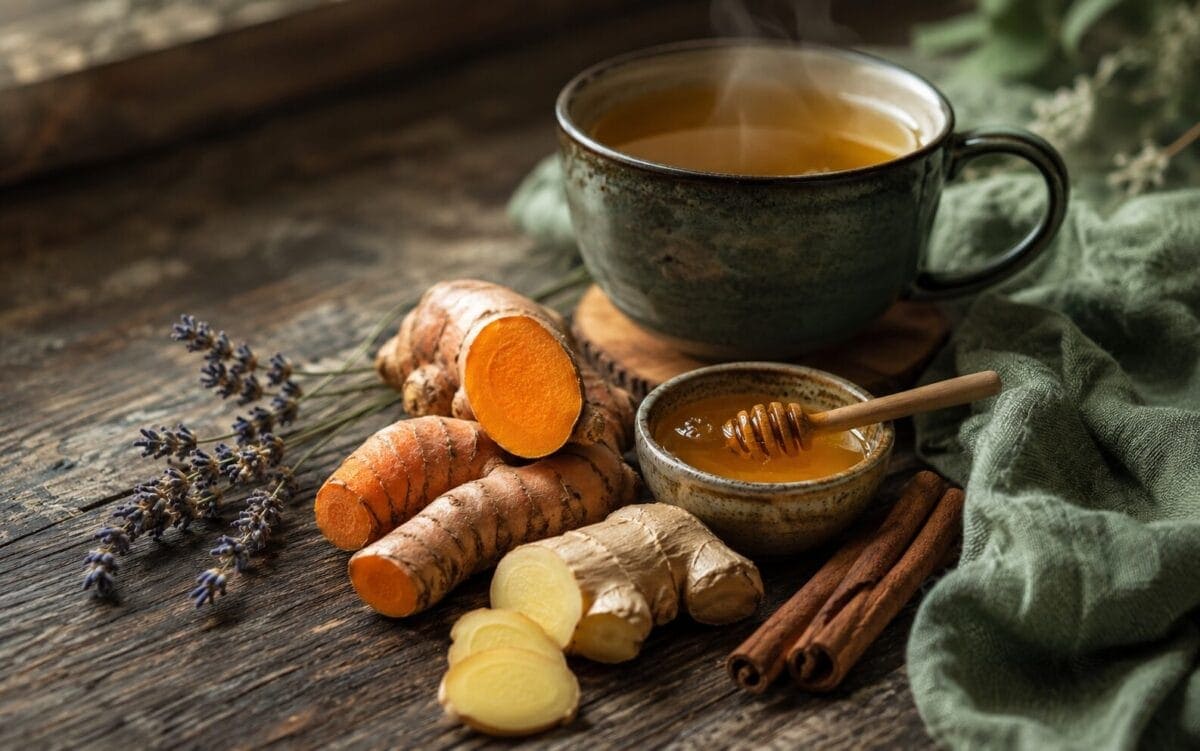
Microplastics trigger significant chronic inflammation throughout the body. Curcumin — the active compound in turmeric — is one of the most potent natural anti-inflammatory compounds in this context. Black pepper's piperine increases curcumin absorption by up to 2000%. Add one teaspoon of turmeric with a pinch of black pepper to meals daily. This directly supports the anti-inflammatory diet principles in our beginners guide.
Filtered Water — Stop the #1 Source First
Since tap water is the single largest source of microplastic ingestion, filtering your water is the highest-impact single change you can make. Reverse osmosis filters remove up to 99% of microplastics. Carbon block filters remove 70–80%. Even a quality pitcher filter is dramatically better than unfiltered tap water. Prevention and elimination must work together for the fastest results.
💊 Our Recommended Microplastic Detox Supplement Stack
These are the exact supplements we recommend for daily microplastic defence — all available on Amazon with thousands of verified reviews.
⚠️ Affiliate links — I earn a small commission at no extra cost to you. Always consult a healthcare provider before starting supplements.
Activated charcoal and chlorella are powerful binders — they don't discriminate between toxins and nutrients or medications. Never take activated charcoal within 2 hours of medications or supplements. Pregnant or breastfeeding women should consult a doctor before starting any detox protocol. Always introduce new supplements gradually and one at a time.
Your Daily Microplastic Detox Action Plan
The most effective approach combines daily prevention habits with targeted detox strategies. This plan integrates seamlessly with the Nature's Nutrition whole-food approach and the gut reset protocol we recommend throughout our guides.
| Time of Day | Action | Why It Works |
|---|---|---|
| Morning (fasted) | Warm filtered water + lemon juice | Activates liver bile flow for toxin elimination |
| Before Breakfast | Chlorella 3g with filtered water | Binds gut microplastics before absorption |
| Breakfast | High-fibre meal: oats, flaxseed, berries | Fibre sweeps particles from digestive tract |
| Mid-Morning | 3 cups loose-leaf green tea | EGCG reduces plastic-induced cell damage |
| Lunch | Leafy greens + turmeric + black pepper | Anti-inflammatory + liver support |
| Afternoon | NAC supplement 600mg | Boosts glutathione for liver detox |
| Evening | Milk thistle 150mg + high-fibre dinner | Liver cell protection overnight |
| 3x Per Week | Sauna 20–30 mins or vigorous exercise | Sweat-based elimination of plastic chemicals |
| Weekly | 16–18 hour fast (skip breakfast once) | Activates autophagy for cellular cleanup |
How to Reduce Your Microplastic Exposure Going Forward
This single change eliminates your largest daily microplastic source immediately. The ZeroWater 5-stage filter removes virtually all dissolved solids and microplastics from tap water. Never heat food or beverages in plastic containers — heat dramatically increases microplastic leaching into your food and drinks.
A single plastic tea bag releases approximately 11 billion microplastic particles into your cup. Switch to loose-leaf tea in a stainless steel infuser. This directly applies to the herbal vs green tea choices we already recommend — loose-leaf is superior in both microplastic safety and antioxidant content.
Replace plastic food containers, especially for hot foods and acidic foods like tomato sauce or citrus. Microplastics leach most aggressively when plastic contacts heat or acid. Glass and stainless steel containers are lifetime investments that eliminate this exposure completely.
Sea salt is among the most microplastic-contaminated condiments available. Himalayan pink salt — mined from ancient salt deposits — has significantly lower microplastic concentrations. This small daily swap adds up meaningfully over time and aligns with the Nature's Nutrition whole-food philosophy.
Indoor air contains high concentrations of microplastic fibres shed from synthetic carpets, furniture, and clothing. Open windows daily for at least 30 minutes, use HEPA air purifiers, and choose natural fibre textiles where possible. Vacuuming with a HEPA-filter vacuum also reduces plastic particle accumulation significantly.
How Microplastics Connect to Your Overall Health
Microplastics and the liver: The liver is the primary organ for filtering microplastics that enter the bloodstream. Plastic particles accumulate in liver tissue and impair detoxification enzyme function. This is exactly why the 10 liver cleansing foods we cover are also among the most powerful microplastic defence strategies.
Microplastics and gut health: Microplastics disrupt the gut microbiome by reducing microbial diversity and promoting inflammatory bacterial strains. A compromised microbiome then allows more microplastics to penetrate the intestinal wall. Our gut microbiome reset is foundational — a strong gut barrier is your first line of defence against plastic absorption.
Microplastics and cortisol: Research shows microplastics directly disrupt the endocrine system — interfering with hormone production including cortisol regulation. Combining microplastic detox with the 12 cortisol-lowering strategies we cover produces significantly better outcomes for both conditions simultaneously.
Microplastics and magnesium depletion: Endocrine-disrupting chemicals in plastics interfere with magnesium absorption and increase its excretion. This means microplastic exposure directly worsens magnesium deficiency — reinforcing everything we covered in our guide on magnesium deficiency symptoms and natural fixes.
Microplastics and the brain: 2025 research found microplastics in every human brain sample tested — with concentrations up to 30 times higher than in liver or kidney tissue. Nanoplastics cross the blood-brain barrier and trigger neuroinflammation. This makes the gut-brain connection even more critical — a healthy gut microbiome reduces neuroplastic penetration significantly.
Frequently Asked Questions
Can you actually remove microplastics from your body?
Yes — partially. Your body naturally eliminates many microplastics through urine, faeces, and sweat. The strategies in this guide — particularly chlorella, high-fibre foods, activated charcoal, and intermittent fasting — significantly enhance these natural elimination pathways. Full elimination of all particles is not currently achievable, but meaningful reduction is absolutely possible through consistent daily effort.
How long does microplastic detox take to show results?
Initial improvements in energy and inflammatory symptoms often appear within 2–4 weeks of following the daily plan consistently. Meaningful reduction of tissue microplastic burden takes 3–6 months of sustained effort. Combining detox strategies with prevention — filtered water, glass containers — produces the fastest results. Pairing this protocol with our liver detox guide accelerates results significantly.
Is chlorella safe to take every day?
For most healthy adults, chlorella at 3–5g daily is considered safe for long-term use. It is a whole food algae with a strong safety record. Start with a lower dose of 1g for the first week as some people experience mild digestive adjustment. Those on blood thinners should consult a doctor first. Choose broken cell wall chlorella for maximum bioavailability — like the USDA Organic option we recommend above.
Does boiling tap water remove microplastics?
A 2024 study found that boiling water and allowing it to cool can reduce free microplastics by up to 80% — the particles bind to calcium carbonate that forms during boiling. However, this is not as effective as a proper reverse osmosis or 5-stage filter. Use a quality filter as your primary solution, with boiling as a useful secondary step when filtering isn't available.
What is the single most important thing I can do to reduce microplastics today?
Install a filtered water system. Since tap water is the largest single source of daily microplastic intake, this one change eliminates more exposure than any supplement or dietary change can compensate for. After that, switch to glass containers, then add chlorella and high-fibre foods to your daily routine. Always address the source first, then support elimination.
Does turmeric really help with microplastic damage?
Yes — curcumin in turmeric has been specifically studied in the context of microplastic-induced inflammation and oxidative stress. Multiple studies show it significantly reduces cellular damage caused by plastic particles. Always combine it with black pepper or a BioPerine supplement to increase absorption by up to 2000%. As we cover in our anti-inflammatory diet guide, turmeric is one of the most powerful natural anti-inflammatory tools available.
🌿 Complete Your Microplastic Defence Stack
Add these two final pieces to complete your daily protocol — turmeric with BioPerine for cellular protection, and a ZeroWater filter to stop the #1 source at the tap.
⚠️ Affiliate links — small commission at no extra cost to you.
If you are experiencing persistent fatigue, cognitive decline, unexplained hormonal imbalances, or cardiovascular symptoms, consult a healthcare provider. While microplastic exposure is widespread, individual health impacts vary. This guide is for general educational purposes only. See our full disclaimer for details.
The Bottom Line
Microplastics are one of the defining health challenges of 2026 — and unlike many threats, this one is something you can meaningfully act on right now. You cannot eliminate all exposure, but you can dramatically reduce it, support your body's natural elimination pathways, and protect your cells from plastic-induced damage using entirely natural strategies.
The most powerful approach combines prevention first (filtered water, glass containers, loose-leaf tea), daily gut defence (chlorella, fibre, probiotics), and liver and cellular support (milk thistle, NAC, turmeric, green tea). These strategies connect directly to everything we cover across our Nature Nurturers guides — from liver detox and gut restoration to magnesium repletion and stress reduction.
Start today with one change: get a water filter and add chlorella to your morning routine. From there, build the rest of the protocol one step at a time. Contact us if you have questions — we reply personally to every message.
Want More Free Natural Health Guides?
Join thousands of readers getting science-backed wellness tips every week — always free, never spam.
Browse All Articles →
2 Comments
Great content! Keep up the good work!
Thank you very much for your lovely comments which will motivate me